
Miguel Patricio and Albert Bourla are two prominent business leaders whose careers have developed in very different industries. Patricio built his reputation in consumer goods, beverages, marketing, and global brand management before becoming chief executive officer of The Kraft Heinz Company. Bourla developed his career in the pharmaceutical and healthcare sector, spending more than three decades at Pfizer and eventually becoming its chairman and chief executive officer.
Although Miguel Patricio and Albert Bourla have led companies in different fields, their professional stories share several themes. Both developed international careers, worked across multiple markets, and reached senior leadership positions after years of experience in large multinational organizations. Their backgrounds also demonstrate how modern corporate leadership can emerge from a combination of specialized knowledge, international experience, strategic planning, and organizational management.
This article explores the careers of Miguel Patricio and Albert Bourla, their professional backgrounds, leadership responsibilities, industries, achievements, and the ways their paths represent two different approaches to managing major global companies.
Who Are Miguel Patricio and Albert Bourla?
Miguel Patricio is a Portuguese business executive known for his long career in consumer products and beverages. He spent roughly two decades at Anheuser-Busch InBev, where he held senior leadership positions across North America, Asia Pacific, and global marketing. In 2019, Kraft Heinz announced that Patricio would become its CEO, succeeding Bernardo Hees.
Albert Bourla is a Greek-born business executive and veterinarian who built his professional career at Pfizer. He joined the company in 1993 and held leadership positions across several countries and business divisions. He became Pfizer’s chief operating officer in 2018 and chief executive officer in January 2019. Pfizer currently identifies him as its chairman and CEO.
The two executives therefore represent different corporate paths. Patricio’s expertise is strongly associated with consumer brands, marketing, beverages, and packaged foods, while Bourla’s career is closely connected with pharmaceuticals, healthcare, science, research, and global medicine development.
Miguel Patricio and Albert Bourla: Different Industries, Similar Global Reach
One of the most interesting aspects of Miguel Patricio and Albert Bourla is the international nature of their careers.
Patricio developed experience across Latin America, North America, Asia Pacific, and global corporate operations. At AB InBev, he became particularly associated with the company’s international marketing and brand-building strategy. His career included leadership roles in North America and Asia Pacific before he became global chief marketing officer.
Bourla’s career was similarly international. Pfizer’s official biography states that he held senior positions in five countries before becoming CEO. His responsibilities covered areas including animal health, established products, vaccines, oncology, consumer healthcare, operations, and global strategy.
Their careers illustrate how multinational corporations increasingly depend on leaders who understand different markets rather than focusing on one geographic region.
Miguel Patricio’s Early Professional Career
Before becoming one of the most recognizable executives at Kraft Heinz, Miguel Patricio worked for several major international consumer companies.
His professional experience included Philip Morris, The Coca-Cola Company, and Johnson & Johnson. He later joined the organization that became Anheuser-Busch InBev, where he spent approximately two decades developing expertise in marketing and international business leadership.
This background gave Patricio exposure to businesses where consumer behavior, brand recognition, distribution, advertising, pricing, and market positioning are central to commercial success.
His later leadership at AB InBev reflected that background. Rather than being known primarily as a technical specialist, Patricio developed a reputation around consumer-focused marketing and brand development.
Miguel Patricio and Albert Bourla: Their Educational Foundations
The educational backgrounds of Miguel Patricio and Albert Bourla also show how senior corporate leaders can arrive at executive positions through different academic and professional routes.
Patricio’s career has primarily been connected to business and consumer marketing. His professional development came through management, commercial strategy, brand building, and international corporate leadership.
Bourla followed a more scientific route. He earned a Doctor of Veterinary Medicine degree and later completed a Ph.D. in Biotechnology of Reproduction at the Veterinary School of Aristotle University.
That scientific foundation became relevant to his early career at Pfizer, where he initially worked in the company’s animal health division. Pfizer records that Bourla joined the company in 1993 as technical director in Greece.
The contrast is significant. Patricio developed through marketing and consumer-business leadership, while Bourla combined scientific education with progressively broader corporate responsibilities.
Miguel Patricio’s Rise at Anheuser-Busch InBev
A major part of Patricio’s professional story took place at Anheuser-Busch InBev, one of the world’s largest brewing companies.
Patricio held several senior positions within the organization. He served as president of North America from 2006 to 2008 and president of Asia Pacific from 2008 to 2012. He later became global chief marketing officer, a position he held from 2012 to 2018.
His time in Asia Pacific was particularly important to his reputation as an international executive. According to Kraft Heinz’s announcement of his appointment, Patricio helped establish a long-term strategy in China focused on premium products, while also supporting the development of Budweiser and local brands such as Harbin.
The experience provided him with a combination of regional management and global marketing expertise.
Albert Bourla’s Early Years at Pfizer
Albert Bourla’s journey at Pfizer began in the company’s Animal Health division.
He joined Pfizer in 1993 and gradually moved into positions involving business development, marketing, regional management, and global leadership. By 2001, he had moved to Pfizer’s global headquarters in New York.
Over the following years, Bourla became responsible for increasingly large businesses and geographic regions.
He served as an area president for Europe, Africa, and the Middle East and later assumed responsibilities covering Asia and the Pacific. He subsequently led Pfizer’s Established Products business before taking on senior roles involving vaccines, oncology, and consumer healthcare.
This progression demonstrates the importance of internal leadership development at large multinational companies.
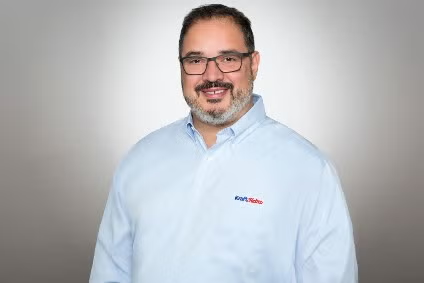
Miguel Patricio and Albert Bourla at the CEO Level
Miguel Patricio and Albert Bourla both reached CEO positions at major corporations, but their transitions happened under different circumstances.
Kraft Heinz announced Patricio as its incoming CEO in April 2019, with the appointment becoming effective July 1, 2019. The company described him as a leader with experience in building consumer brands, marketing, innovation, and people development.
Bourla became Pfizer’s CEO in January 2019 after serving as the company’s chief operating officer. He had already spent many years in senior leadership positions within Pfizer.
The timing meant that both executives entered CEO roles during the same year, but the business challenges they faced were very different.
Patricio was leading a global food and consumer-products company. Bourla was leading one of the world’s largest pharmaceutical businesses.
Miguel Patricio and Albert Bourla: Leadership in Consumer Products and Healthcare
The industries led by Miguel Patricio and Albert Bourla require different forms of strategic thinking.
Consumer-goods companies compete heavily through brand recognition, product quality, distribution, pricing, advertising, customer preferences, and retail relationships. Executives must understand rapidly changing consumer habits and manage large portfolios of established brands.
Pharmaceutical companies operate in an environment shaped by scientific research, clinical development, regulatory requirements, manufacturing, intellectual property, healthcare systems, and patient needs.
Patricio’s professional history prepared him for the consumer side of corporate leadership. Bourla’s career prepared him for a combination of science, healthcare, commercial strategy, and global operations.
Miguel Patricio’s Role at Kraft Heinz
Kraft Heinz appointed Patricio CEO after his extensive experience at AB InBev. The company highlighted his track record in global brands and his experience in consumer-first marketing.
During his tenure, Patricio was responsible for a company with a portfolio containing many well-known food and beverage brands.
His experience was particularly relevant because Kraft Heinz operates in categories where brand familiarity and consumer loyalty are important. A leader with international marketing experience could bring a perspective focused on understanding consumers, strengthening brands, and identifying opportunities across markets.
Kraft Heinz’s later SEC filing identifies Patricio as the company’s former CEO from 2019 through December 2023 and as a board director since May 2021. The filing also identifies him as chair of the board beginning in May 2022.
Albert Bourla’s Role at Pfizer
Albert Bourla’s responsibilities at Pfizer expanded significantly before and after he became CEO.
As COO, he oversaw areas including commercial strategy, manufacturing, and global product development.
As CEO, his responsibilities became even broader. Pfizer describes Bourla as leading the company’s strategy around scientific and commercial innovation, with areas including oncology, internal medicine, inflammation and immunology, and vaccines.
His leadership became particularly visible during the COVID-19 pandemic because Pfizer and BioNTech developed and introduced a COVID-19 vaccine at unprecedented speed.
Pfizer’s current biography says the company’s pandemic response included delivering a vaccine in eight months and developing an FDA-authorized oral antiviral treatment.
Miguel Patricio and Albert Bourla During Major Business Changes
Large corporations regularly experience major changes in consumer behavior, technology, regulation, competition, and global markets.
Patricio’s leadership experience has been shaped by changes in consumer products and international brand competition. His work at AB InBev involved developing brands across different markets and adapting marketing strategies to local conditions.
Bourla’s career has involved changes in pharmaceutical research, healthcare technology, regulatory expectations, manufacturing, and patient access.
The two careers therefore show how executives must adapt their leadership style to the specific environment in which their companies operate.
Miguel Patricio and Albert Bourla: Global Brand Strategy
Brand strategy is especially important when examining Patricio’s career.
At AB InBev, he worked with major international beer brands including Corona, Budweiser, and Stella Artois. Kraft Heinz stated that the strategic playbook developed around these brands contributed to significant organic sales growth during his tenure as global chief marketing officer.
Bourla’s role is different because pharmaceutical brands operate within a highly regulated environment. Scientific evidence, physician adoption, regulatory approvals, manufacturing capacity, and patient access can be just as important as traditional consumer awareness.
Nevertheless, both leaders operate in industries where trust and reputation can have substantial business importance.
The Importance of International Experience
The careers of Miguel Patricio and Albert Bourla also highlight the importance of international management experience.
Patricio worked across multiple geographic regions and developed expertise in both developed and emerging markets. His work in Asia Pacific, particularly China, became an important part of his professional profile.
Bourla similarly developed a global career within Pfizer. The company notes that he held senior positions in five countries and worked across several continents before becoming CEO.
International experience can expose executives to different consumer expectations, regulatory systems, economic conditions, cultures, and competitive environments.
Miguel Patricio and Albert Bourla: Crisis Leadership
Crisis management is another area where the careers of Miguel Patricio and Albert Bourla can be examined.
For Bourla, the COVID-19 pandemic represented an extraordinary challenge for the pharmaceutical industry. Pfizer and BioNTech moved rapidly to develop and manufacture a vaccine while global demand for vaccines was rising dramatically.
Bourla’s leadership during this period became a major part of his public profile. Pfizer describes the response as an example of urgency and innovation that later influenced the company’s approach to other areas of its business.
Patricio’s leadership environment was different. Consumer companies faced major changes in shopping behavior, supply chains, restaurants, retail channels, and household consumption during the pandemic period.
The comparison demonstrates that crisis leadership does not have a single formula. The challenges depend heavily on the industry and the nature of the disruption.
Miguel Patricio’s Board Leadership
Patricio’s role evolved after his Miguel Patricio and Albert Bourla
According to the company’s SEC filing, he served as CEO from June 2019 through December 2023, became a board director in May 2021, and became chair of the board in May 2022.
The transition from CEO to board chair represents a different form of corporate leadership.
A CEO is closely involved with management and day-to-day execution. A board chair has a broader governance role and works with directors and management on major strategic matters, oversight, and CEO succession.
This stage of Patricio’s career demonstrates how experienced executives can continue contributing to organizations after leaving operational leadership.
Albert Bourla’s Continuing Role at Pfizer
Unlike Patricio’s transition away from the CEO position, Bourla continues to serve as Pfizer’s chairman and CEO according to Pfizer’s current leadership information.
His current focus includes scientific innovation, oncology, vaccines, internal medicine, inflammation and immunology, and emerging opportunities in areas such as obesity and metabolic disease.
Pfizer also says that artificial intelligence has become an important part of Bourla’s approach to drug discovery, development, and manufacturing.
This reflects a broader change taking place throughout the pharmaceutical sector as companies explore how advanced computing and artificial intelligence can influence research and development.
Miguel Patricio and Albert Bourla: Approaches to Innovation
Innovation has different meanings in the industries associated with these executives.
For Patricio, innovation has often been connected with consumer marketing, brand development, product positioning, market expansion, and business growth.
For Bourla, innovation is strongly connected with scientific research, new medicines, vaccines, manufacturing technology, digital systems, and artificial intelligence.
This distinction is useful when comparing the two executives because it prevents their careers from being viewed through exactly the same business framework.
A successful marketing innovation and a successful pharmaceutical innovation may both create value, but they require very different processes, timelines, Miguel Patricio and Albert Bourla
Public Recognition of Albert Bourla
Albert Bourla has received substantial public and industry recognition during his career.
Pfizer’s biography lists honors including the Genesis Prize, the American Association for Cancer Research Outstanding Achievement Award for Service to Cancer Science and Medicine, the Concordia Leadership Award, and recognition from organizations including Time and CNN Business.
He has also held leadership positions in major industry organizations. Pfizer identifies him as a former chair of the Pharmaceutical Research and Manufacturers of America and former president of the International Federation of Pharmaceutical Manufacturers and Associations.
These positions illustrate the broader role that senior pharmaceutical executives can play in industry discussions beyond their own companies.
Recognition of Miguel Patricio
Patricio’s professional recognition has been closely linked to brand building and international marketing.
During his time as global chief marketing officer at AB InBev, the company was described by Kraft Heinz as the most awarded brand owner at the Cannes Lions 2018 festival.
His career therefore demonstrates the value of marketing leadership in multinational consumer businesses.
The experience he gained from managing global brands became an important part of his professional profile when Kraft Heinz selected him as CEO.
What Makes Miguel Patricio and Albert Bourla Interesting to Compare?
The comparison between Miguel Patricio and Albert Bourla is useful because their careers demonstrate two different routes to the top of multinational corporations.
Patricio’s background centers on:
- Consumer products
- Marketing
- Brand building
- International business
- Beverages
- Food and packaged goods
- Market expansion
Bourla’s background centers on:
- Pharmaceuticals
- Healthcare
- Science
- Research and development
- Manufacturing
- Vaccines
- Global commercial operations
Despite these differences, both careers include long-term experience inside major multinational organizations and progressively increasing responsibilities.
Leadership Lessons From Miguel Patricio and Albert Bourla
Several broad professional lessons can be observed from their careers without treating either executive’s approach as universally applicable.
First, international experience can provide valuable exposure to different markets. Both executives worked across multiple countries and regions.
Second, specialized knowledge can become a foundation for broader leadership. Patricio’s marketing expertise became part of his executive identity, while Bourla’s scientific training remained an important element of his pharmaceutical career.
Third, large organizations often require leaders who can move between specialized departments. Both executives progressed through several functions before Miguel Patricio and Albert Bourla
Fourth, leadership responsibilities change as careers progress. Patricio’s transition from CEO to board chair illustrates how executive influence can continue in a governance capacity, while Bourla’s ongoing role as Pfizer CEO demonstrates a different leadership path.
Miguel Patricio and Albert Bourla in the Modern Corporate World
The modern business environment is increasingly global and technology-driven.
Consumer companies must respond to changing shopping habits, digital marketing, supply-chain pressures, sustainability discussions, pricing concerns, and evolving consumer preferences.
Pharmaceutical companies face equally complex challenges involving scientific discovery, clinical development, regulation, manufacturing capacity, healthcare access, competition, and technology.
Miguel Patricio and Albert Bourla have worked within these different environments while leading organizations with global operations.
Their careers provide examples of how corporate leadership can be built over decades rather than achieved through a single appointment.
The Importance of Long-Term Career Development
Neither Patricio nor Bourla became a major corporate leader immediately.
Patricio accumulated experience across several companies and then spent many years at AB InBev before moving to Kraft Heinz.
Bourla spent more than 30 years at Pfizer, moving through multiple positions and business areas before becoming CEO. Pfizer states that he held senior positions in five countries during his career.
This long-term progression demonstrates the value of professional development, international exposure, functional expertise, and increasingly complex responsibilities.
For younger professionals, these careers can illustrate why leadership development often happens gradually.
Miguel Patricio and Albert Bourla: Two Distinct Executive Profiles
When viewed side by side, Miguel Patricio and Albert Bourla represent two distinct executive profiles.
Patricio is closely associated with consumer-facing businesses and the power of brands. His career at AB InBev and Kraft Heinz reflects an emphasis on marketing, consumer understanding, international growth, and commercial strategy.
Bourla is closely associated with pharmaceutical leadership and the intersection of science and business. His career at Pfizer combines veterinary medicine, biotechnology, commercial operations, manufacturing, research, vaccines, and corporate strategy.
Neither career needs to be viewed through the same lens because the industries have fundamentally different operating models.
Frequently Asked Questions About Miguel Patricio and Albert Bourla
Who is Miguel Patricio?
Miguel Patricio is a Portuguese business executive who built a long career at Anheuser-Busch InBev before becoming CEO of Kraft Heinz in 2019. Kraft Heinz later identified him as its former CEO and board chair.
Who is Albert Bourla?
Albert Bourla is the chairman and CEO of Pfizer. He joined Pfizer in 1993 and held numerous leadership roles before becoming CEO in January 2019.
Are Miguel Patricio and Albert Bourla from the same industry?
No. Patricio’s career is primarily connected to consumer goods, beverages, food, and marketing, while Bourla’s career is focused on pharmaceuticals and healthcare.
Did Miguel Patricio work at AB InBev?
Yes. Patricio spent approximately two decades at AB InBev and held leadership positions including president of North America, president of Asia Pacific, and global chief marketing officer.
When did Albert Bourla become Pfizer CEO?
Albert Bourla became Pfizer’s CEO in January 2019 after serving as the company’s COO.
What is Albert Bourla’s educational background?
Bourla is a Doctor of Veterinary Medicine and holds a Ph.D. in Biotechnology of Reproduction from the Veterinary School of Aristotle University.
What was Miguel Patricio’s role at Kraft Heinz?
Patricio served as Kraft Heinz CEO from 2019 through December 2023 and later served as chair of the company’s board.
Why are Miguel Patricio and Albert Bourla often discussed as business leaders?
Both developed international careers at major multinational corporations and eventually reached top executive positions. Their professional experiences also demonstrate different leadership paths in consumer products and healthcare.
Final Thoughts on Miguel Patricio and Albert Bourla
The careers of Miguel Patricio and Albert Bourla offer two distinct examples of modern corporate leadership.
Patricio developed his expertise through consumer products, international marketing, brand building, and multinational business management. His years at AB InBev prepared him for the CEO role at Kraft Heinz, where he led a major portfolio of food and beverage brands. His subsequent transition to board leadership further extended his corporate career.
Bourla followed a different path. Beginning with scientific training in veterinary medicine and biotechnology, he built more than three decades of experience at Pfizer. His career expanded from animal health into global commercial operations, vaccines, oncology, manufacturing, and corporate strategy. He ultimately became Pfizer’s CEO and chairman.
Miguel Patricio and Albert Bourla therefore provide an interesting comparison of two executives who reached the highest levels of multinational business through different professional backgrounds. One developed deep expertise in consumer brands and marketing, while the other combined scientific knowledge with pharmaceutical management.
Their stories show that there is no single route to corporate leadership. International experience, specialized expertise, adaptability, long-term development, and the ability to manage increasingly complex responsibilities can all play important roles in an executive career.