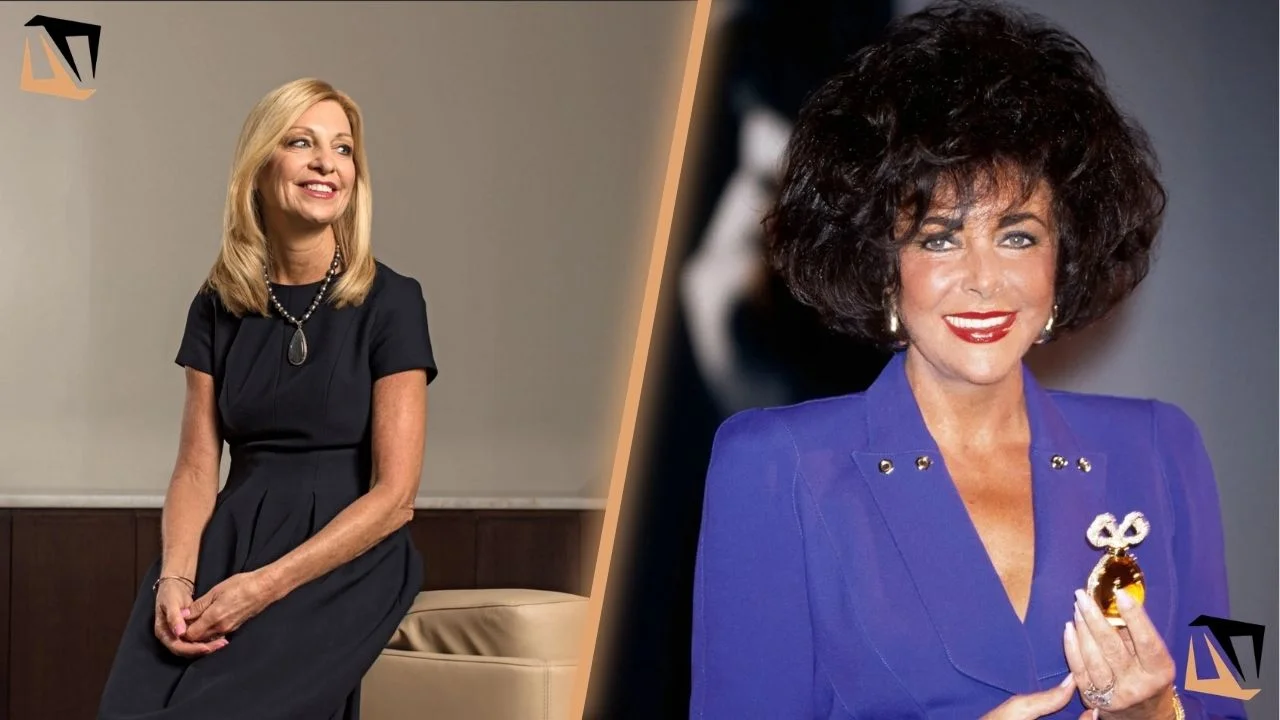
The names Karen Lynch and Elizabeth Taylor may appear together in online searches, but they belong to very different worlds and generations. Elizabeth Taylor was one of the most celebrated actresses of Hollywood’s golden era, known for iconic films, extraordinary beauty, major awards, and a highly public personal life. Karen Lynch, meanwhile, is associated with the modern corporate world and became widely recognized for her leadership career in the healthcare industry.
Because these two names come from very different professional backgrounds, searches for Karen Lynch and Elizabeth Taylor can create curiosity about whether there is a direct connection between them. Understanding the people behind the names requires looking at their individual careers, public profiles, accomplishments, and the contexts in which their names appear.
This article explores the available background surrounding Karen Lynch and Elizabeth Taylor while separating established biographical information from assumptions that may arise from online searches. It also examines why searches involving Karen Lynch and Elizabeth Taylor attract attention and how their very different careers illustrate two distinct forms of public influence.
Who Are Karen Lynch and Elizabeth Taylor?
Karen Lynch and Elizabeth Taylor represent two very different eras of public life.
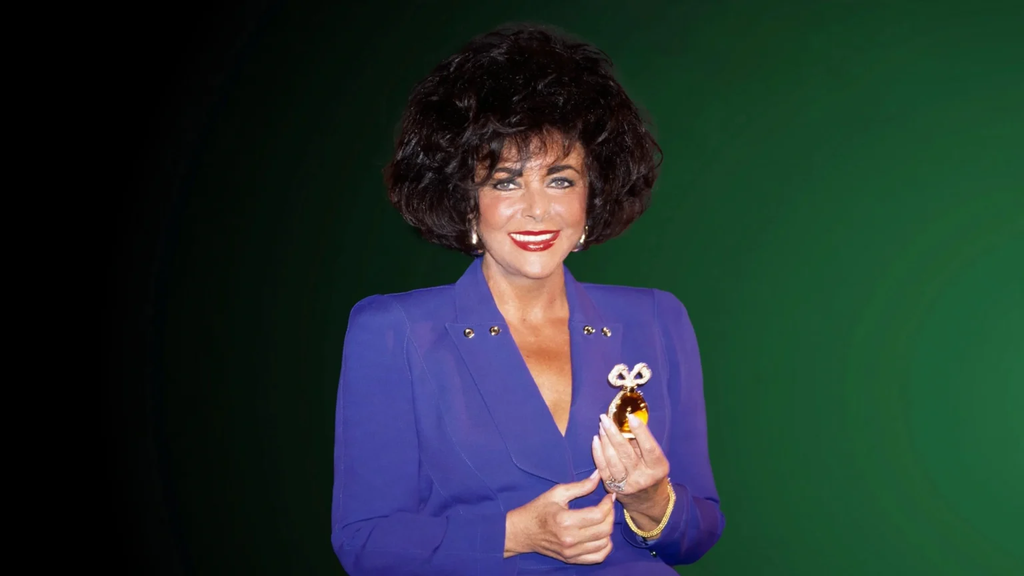
Elizabeth Taylor became famous during the twentieth century as an actress whose career began during childhood. She eventually became one of the most recognizable stars in international cinema. Her work included major productions such as National Velvet, A Place in the Sun, Giant, Cat on a Hot Tin Roof, and Who’s Afraid of Virginia Woolf? Her career earned her multiple Academy Awards and established her as a defining figure in Hollywood history.
Karen Lynch is known primarily for her career in business and healthcare leadership. She rose through senior executive positions and eventually became a prominent leader within CVS Health. Her professional journey placed her among the best-known women in the modern American corporate environment.
The phrase Karen Lynch and Elizabeth Taylor therefore brings together two people whose public identities developed through very different industries. One became famous through film and entertainment, while the other became known through business leadership and healthcare.
Karen Lynch and Elizabeth Taylor: Different Generations, Different Careers
One of the most important points when researching Karen Lynch and Elizabeth Taylor is that the two women belong to different professional and historical contexts.
Elizabeth Taylor was born in 1932 and entered the entertainment industry as a child performer. Her career developed during a period when major Hollywood studios had enormous influence over actors’ professional lives. The studio system helped create stars whose names became global brands.
Karen Lynch belongs to a much later generation. Her career developed in an environment shaped by large corporations, healthcare services, technology, organizational leadership, and modern executive management.
This difference is important because public recognition worked differently in their respective eras. Taylor’s image appeared in movies, magazines, television interviews, advertisements, and entertainment publications. Lynch’s reputation was primarily built through executive leadership, business announcements, healthcare discussions, and corporate news.
Despite these differences, both careers demonstrate how women can become highly influential within industries that have traditionally involved significant institutional power.
Elizabeth Taylor’s Early Life and Entry Into Hollywood
Elizabeth Taylor was born on February 27, 1932, in Hampstead Garden Suburb, London, to American parents. Her family later returned to the United States, where her acting career developed.
Taylor began appearing in films while still a child. Her early success came through performances that demonstrated an unusual combination of screen presence, emotional expression, and charisma.
One of her important early films was National Velvet, released in 1944. Taylor played Velvet Brown, a young girl determined to participate in horse racing. The movie became an important milestone in her early career and helped establish her as a major child star.
Her transition from child performer to adult actress was especially significant. Many performers who become famous as children struggle to maintain successful careers as adults, but Taylor managed to become one of Hollywood’s leading actresses.
Karen Lynch’s Professional Background
Karen Lynch built her reputation in the healthcare and corporate sectors rather than entertainment.
Her professional experience included leadership positions at major healthcare organizations. Over time, she developed expertise in areas involving healthcare services, insurance, pharmacy operations, and corporate management.
Her career became particularly prominent through CVS Health, one of the largest healthcare companies in the United States. Lynch eventually served as president and chief executive officer of CVS Health.
Her professional story is therefore centered on organizational leadership and healthcare rather than celebrity culture. This makes comparisons between Karen Lynch and Elizabeth Taylor interesting because their influence comes from completely different sources.
Taylor’s influence was based largely on artistic achievement and cultural visibility. Lynch’s influence has been connected to corporate leadership and healthcare administration.
Karen Lynch and Elizabeth Taylor in the Public Eye
Public visibility is another area where Karen Lynch and Elizabeth Taylor can be contrasted.
Taylor lived much of her adult life under intense media attention. Newspapers, magazines, television programs, and photographers followed her professional and personal activities. Her marriages, friendships, fashion choices, films, and charitable work all became subjects of public discussion.
Lynch’s public profile has been much more professional. Corporate announcements, interviews, leadership events, business publications, and healthcare-related discussions have played a greater role in shaping public awareness of her career.
The difference illustrates how celebrity and corporate leadership create different forms of public visibility.
Elizabeth Taylor’s name became part of popular culture. Karen Lynch’s name became associated with executive leadership and the modern healthcare industry.
Elizabeth Taylor’s Most Important Film Work
Elizabeth Taylor’s filmography contains many productions that remain important in discussions of classic Hollywood.
Among her notable films was A Place in the Sun, a 1951 drama in which she appeared alongside Montgomery Clift and Shelley Winters. The film demonstrated Taylor’s transition into more mature dramatic roles.
She also appeared in Giant in 1956, alongside James Dean and Rock Hudson. The film became one of the best-known productions of its era.
Another major milestone was Cat on a Hot Tin Roof, released in 1958. Taylor starred alongside Paul Newman and Burl Ives. Her performance contributed to the film’s enduring reputation.
In 1960, Taylor appeared in Butterfield 8, for which she won the Academy Award for Best Actress.
Her second Academy Award came for Who’s Afraid of Virginia Woolf? in 1966. The film featured Taylor opposite Richard Burton and is widely regarded as one of her most significant dramatic performances.
Karen Lynch’s Rise Through Corporate Leadership
Karen Lynch’s career followed a different trajectory.
Rather than becoming famous through a single breakthrough performance, Lynch developed her professional reputation over many years. Her career included positions involving management, healthcare services, strategy, and organizational leadership.
Her advancement to the highest levels of corporate management reflected the growing visibility of women in major executive positions.
Leadership in healthcare is particularly complex because organizations in the sector operate across multiple areas. Healthcare companies may interact with patients, healthcare professionals, insurers, pharmacies, regulators, investors, and technology providers.
Lynch’s career therefore represents a modern form of professional influence based on management experience, industry knowledge, and organizational decision-making.
The Significance of Elizabeth Taylor’s Awards
Awards played an important role in establishing Elizabeth Taylor’s professional legacy.
She received two Academy Awards for Best Actress. These victories came during different stages of her career and demonstrated recognition of her dramatic acting abilities.
Taylor also received numerous other honors throughout her lifetime. Her career was recognized not only for commercial success but also for performances that became important parts of American cinema.
Her awards helped establish a distinction between celebrity and professional accomplishment. Although Taylor became famous for her beauty and glamorous lifestyle, her acting work remained an important part of her historical legacy.
Karen Lynch and Elizabeth Taylor: Professional Recognition
Professional recognition looks different when comparing Karen Lynch and Elizabeth Taylor.
Taylor’s recognition came through film awards, critical attention, box-office success, and cultural influence. Her name became synonymous with classic Hollywood.
Lynch’s recognition has been connected to corporate leadership and her role in one of America’s major healthcare companies.
This distinction demonstrates that influence cannot always be measured using the same standards. An actress may be evaluated through performances, awards, and cultural impact, while a corporate executive may be discussed through leadership positions, business strategy, organizational responsibilities, and industry participation.
Elizabeth Taylor’s Humanitarian Work
Elizabeth Taylor’s legacy extended beyond acting.
She became particularly prominent as an advocate for people living with HIV and AIDS. During the 1980s, when the disease was surrounded by fear, stigma, and misinformation, Taylor became one of the most visible celebrities involved in AIDS activism.
She helped establish the American Foundation for AIDS Research, commonly known as amfAR, and later founded the Elizabeth Taylor AIDS Foundation.
Her advocacy helped draw public attention to HIV and AIDS at a time when many public figures were reluctant to discuss the subject.
Taylor used her celebrity platform to raise money, encourage awareness, and support people affected by the disease. This became one of the defining aspects of her later public life.
Karen Lynch and Healthcare Leadership
Healthcare also forms a central part of Karen Lynch’s public identity.
Her executive career placed her within an industry that affects millions of people and involves complex questions surrounding access, insurance, pharmacy services, medical care, and healthcare costs.
This provides an interesting contrast with Taylor’s humanitarian work.
Taylor became involved with healthcare advocacy through philanthropy and public activism. Lynch’s work has been rooted in healthcare organizations and corporate leadership.
The distinction matters when discussing Karen Lynch and Elizabeth Taylor because their connection to healthcare comes from very different professional directions.
Elizabeth Taylor’s Personal Life and Media Attention
Elizabeth Taylor’s personal life became one of the most widely discussed aspects of her celebrity.
She married multiple times, including marriages to Conrad Hilton Jr., Michael Wilding, Mike Todd, Eddie Fisher, Richard Burton, John Warner, and Larry Fortensky. Her relationship with Richard Burton attracted enormous international media attention.
Taylor and Burton married twice, reflecting the dramatic nature of their relationship.
Because celebrity journalism was particularly interested in Taylor’s personal life, discussions of her career often became intertwined with stories about relationships, marriages, fashion, and public appearances.
However, reducing Taylor’s legacy to her personal life overlooks her decades of acting work and humanitarian advocacy.
Karen Lynch and Elizabeth Taylor: Why the Names May Appear Together
Searches for Karen Lynch and Elizabeth Taylor may originate from several possibilities, including people researching different public figures, corporate biographies, entertainment databases, social media references, or pages that mention multiple notable individuals.
It is important not to assume that two names appearing together online automatically indicates a personal relationship, business partnership, family connection, or professional collaboration.
Public figures are frequently mentioned together because of search trends, articles, databases, events, historical discussions, or unrelated references.
A reliable biography should therefore distinguish between a documented relationship and a simple appearance of two names on the same page.
Elizabeth Taylor’s Influence on Popular Culture
Elizabeth Taylor’s cultural influence remains substantial.
Her distinctive appearance, acting performances, fashion choices, jewelry, and highly public relationships made her one of the most recognizable celebrities of the twentieth century.
She was also closely associated with luxury and glamour. Her jewelry collection became famous, and her name became connected with some of the most recognizable gemstones and pieces of celebrity jewelry history.
Yet her influence extended beyond fashion and entertainment. Her activism helped demonstrate how celebrities could use public recognition to address major social and health issues.
Karen Lynch’s Place in Modern Business
Karen Lynch represents a very different type of public figure.
Modern corporate executives generally do not receive the same level of everyday celebrity attention as movie stars. However, senior executives can have significant influence over large organizations and industries.
As a healthcare leader, Lynch’s career placed her within discussions surrounding healthcare delivery, business strategy, pharmacy services, and corporate operations.
Her professional journey is therefore useful for understanding the changing nature of women’s leadership in American business.
Women, Leadership, and Public Recognition
A broader theme connecting Karen Lynch and Elizabeth Taylor is the changing role of women in public life.
Taylor rose to international fame during an era when female movie stars were often heavily managed and marketed according to traditional ideas of glamour and femininity.
Lynch built her career within a modern corporate environment where professional credentials, management experience, and leadership responsibilities are central to advancement.
Their stories illustrate how women’s public identities have changed over time.
Taylor demonstrated how a woman could become a powerful cultural figure through entertainment and activism. Lynch represents a generation in which women have increasingly occupied senior leadership positions in large corporations.
Elizabeth Taylor’s Enduring Legacy
Elizabeth Taylor died on March 23, 2011, at the age of 79.
Her death marked the end of a career spanning more than six decades. However, her films continue to be watched, studied, restored, and discussed.
Her performances remain important in the history of American cinema, particularly films such as A Place in the Sun, Giant, Cat on a Hot Tin Roof, Butterfield 8, and Who’s Afraid of Virginia Woolf?
Her humanitarian work also remains a major part of her legacy.
Karen Lynch’s Career Legacy
Karen Lynch’s professional legacy is connected to her leadership in healthcare and her visibility as a senior female executive.
Her career illustrates the growing importance of healthcare companies within the broader American economy and the increasing presence of women in executive leadership.
Unlike Taylor’s legacy, which is preserved through films, performances, photographs, awards, and cultural history, Lynch’s professional record is primarily documented through corporate leadership, business publications, executive announcements, and healthcare industry coverage.
Karen Lynch and Elizabeth Taylor: A Meaningful Comparison
When researching Karen Lynch and Elizabeth Taylor, the most useful comparison is not to assume that they had identical careers or direct professional connections. Instead, their stories can be viewed as examples of two different pathways to public recognition.
Elizabeth Taylor became an international cultural icon through acting, celebrity, fashion, and humanitarian advocacy.
Karen Lynch became known through healthcare leadership, corporate management, and executive responsibility.
Their professional worlds are different, but both demonstrate the ability of women to develop influential public identities within highly visible institutions.
Frequently Asked Questions About Karen Lynch and Elizabeth Taylor
Are Karen Lynch and Elizabeth Taylor related?
There is no widely established biographical evidence indicating that Karen Lynch and Elizabeth Taylor were close relatives. The appearance of their names together should not automatically be interpreted as evidence of a family relationship.
Did Karen Lynch work with Elizabeth Taylor?
There is no broadly documented professional collaboration between Karen Lynch and Elizabeth Taylor. Their careers developed in different industries and generations.
Who was Elizabeth Taylor?
Elizabeth Taylor was a British-American actress and humanitarian who became one of Hollywood’s most famous stars. She won two Academy Awards for Best Actress and became a prominent advocate for HIV and AIDS awareness.
What was Karen Lynch known for?
Karen Lynch became known for her career in healthcare leadership and for serving in senior executive roles, including CEO of CVS Health.
Why are Karen Lynch and Elizabeth Taylor searched together?
The phrase may appear because users are researching both public figures, encountering pages that mention their names, or exploring connections between modern corporate leaders and historical celebrities. A search association does not by itself establish a direct relationship.
What were Elizabeth Taylor’s most famous movies?
Among Taylor’s best-known films are National Velvet, A Place in the Sun, Giant, Cat on a Hot Tin Roof, Butterfield 8, Cleopatra, and Who’s Afraid of Virginia Woolf?
Did Elizabeth Taylor win an Academy Award?
Yes. Taylor won the Academy Award for Best Actress twice, for Butterfield 8 and Who’s Afraid of Virginia Woolf?
What was important about Elizabeth Taylor’s charity work?
Taylor became a major public advocate for HIV and AIDS causes. Her humanitarian activities became an important part of her later legacy.
Final Thoughts on Karen Lynch and Elizabeth Taylor
The search phrase Karen Lynch and Elizabeth Taylor brings together two women whose professional identities developed in very different worlds.
Elizabeth Taylor became one of the defining stars of classic Hollywood. Her acting career, awards, fashion influence, personal life, and humanitarian advocacy made her a lasting cultural figure.
Karen Lynch built a reputation through healthcare and corporate leadership, becoming a prominent modern executive.
Rather than assuming a direct connection between the two, it is more accurate to understand the separate histories behind their names. Taylor’s legacy is preserved through cinema and humanitarian work, while Lynch’s professional story is rooted in healthcare leadership and business.
Together, the two names provide an interesting opportunity to explore how public influence can take different forms. One career developed on movie screens and in global popular culture, while the other developed inside modern healthcare organizations and corporate leadership.
Understanding those differences gives readers a clearer picture of both women and explains why searches involving Karen Lynch and Elizabeth Taylor can generate curiosity despite their very different professional backgrounds.