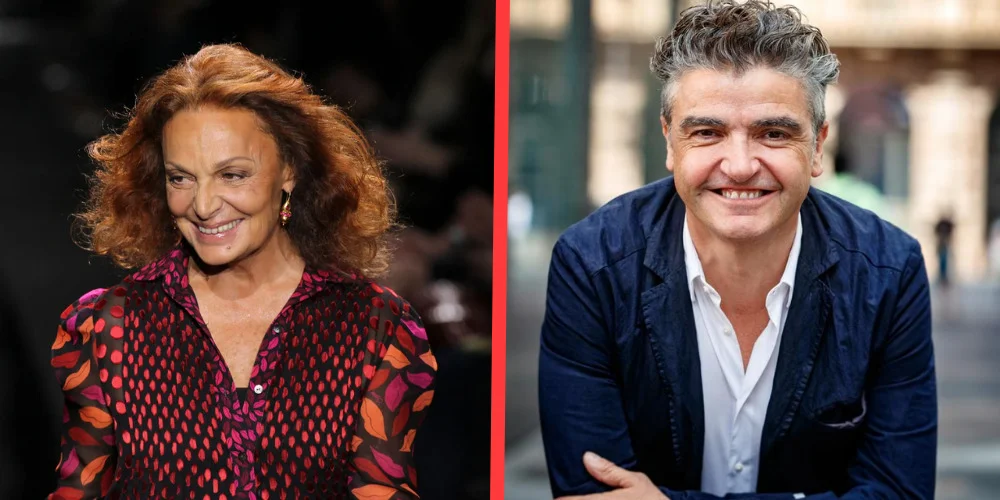
Diane von Furstenberg and Sean Connolly are two names associated with different creative industries. Diane von Furstenberg is an internationally recognized fashion designer, entrepreneur, author, and philanthropist, best known for introducing the iconic wrap dress that became a symbol of modern women’s fashion. Sean Connolly is a Yorkshire-born chef, restaurateur, and businessman recognized for his work in hospitality, restaurant development, and culinary creativity.
Although their professional backgrounds differ considerably, both individuals offer interesting examples of how creativity, personal identity, and a distinctive approach to work can contribute to a successful career. Von Furstenberg developed a recognizable fashion brand by combining practicality with elegance, while Connolly established his reputation through food, restaurant experiences, and a straightforward philosophy of cooking.
However, it is important to distinguish between a comparison of their professional journeys and a confirmed personal connection. Available public information does not establish that Diane von Furstenberg and Sean Connolly are relatives, romantic partners, spouses, or established business collaborators. Their names appearing together in online searches should not automatically be interpreted as evidence of a relationship.
Understanding their individual backgrounds provides a more accurate picture of why these names attract attention. It also offers an opportunity to explore the different ways fashion and hospitality professionals build reputations, develop brands, and influence their respective industries.
Who Is Diane von Furstenberg?
Diane von Furstenberg is a Belgian-born American fashion designer whose influence extends beyond clothing. She became a prominent figure in the fashion world during the 1970s, when her wrap dress gained widespread attention for its flattering design, comfortable construction, and versatility.
Born Diane Simone Michele Halfin in Brussels, Belgium, on December 31, 1946, she grew up in a family whose history was deeply affected by the Second World War. Her mother, Liliane Nahmias, survived the Holocaust, an experience that became an important part of the family’s story and shaped von Furstenberg’s understanding of resilience.
Von Furstenberg eventually entered the fashion industry and built a business around clothing that reflected the needs of modern women. Her designs emphasized independence, confidence, and practicality without abandoning sophistication.
Over time, her name became associated with more than a particular dress. The DVF brand developed into a recognizable fashion identity, while her work as an author, public speaker, and philanthropist expanded her influence.
Her career demonstrates how a designer can turn a creative idea into a lasting commercial identity. Instead of relying exclusively on changing trends, von Furstenberg developed a signature aesthetic that remained recognizable across different periods of fashion history.
Who Is Sean Connolly?
Sean Connolly is a British-born chef, restaurateur, and businessman whose career has included restaurant development, television appearances, cookbooks, and culinary products. His official professional biography describes him as a Yorkshire-born creative with interests that include food, art, fashion, and rock music.
Connolly has spent decades developing his approach to hospitality. His work has extended across Australia, New Zealand, and the Middle East, with restaurant concepts designed to combine quality food with a distinctive atmosphere.
His culinary philosophy emphasizes good ingredients, simplicity, and respect for the natural characteristics of food. Rather than adding unnecessary complexity to every dish, he favors allowing the ingredients to remain the central focus of the dining experience.
This approach is reflected in his broader professional identity. For Connolly, a successful restaurant is not simply a place where people eat. It is an environment in which food, service, lighting, music, design, and hospitality work together to create a memorable experience.
His career also demonstrates the importance of adapting professional skills to different markets. Restaurant operators must understand local tastes, customer expectations, staffing, supply chains, and the financial demands of running hospitality businesses.
By combining culinary knowledge with business development, Connolly has established a career that reaches beyond the kitchen.
Diane von Furstenberg and Sean Connolly: Is There a Confirmed Connection?
One of the main questions surrounding Diane von Furstenberg and Sean Connolly concerns whether they have a documented relationship.
Based on the available public biographies and professional information, no verified personal, family, romantic, or business connection has been established between the fashion designer and the chef. Their professional histories describe separate careers in different industries.
Von Furstenberg’s public profile focuses on fashion design, entrepreneurship, publishing, and philanthropy. Connolly’s professional profile centers on culinary work, restaurants, hospitality, and food-related projects.
It would therefore be inaccurate to describe them as a couple, relatives, or business partners without credible evidence.
This distinction matters because online searches sometimes combine the names of people who do not have an established relationship. Search suggestions, automated publishing systems, and repeated online references can make two names appear connected even when the underlying biographies do not support that conclusion.
A reliable account should separate confirmed information from speculation. In this case, the most useful approach is to examine each person’s achievements independently and compare their professional philosophies without inventing a shared history.
Readers seeking further confirmation can consult official biographies, verified interviews, professional announcements, and reputable publications. These sources are generally more useful for establishing relationships than articles that repeat an unexplained search phrase.
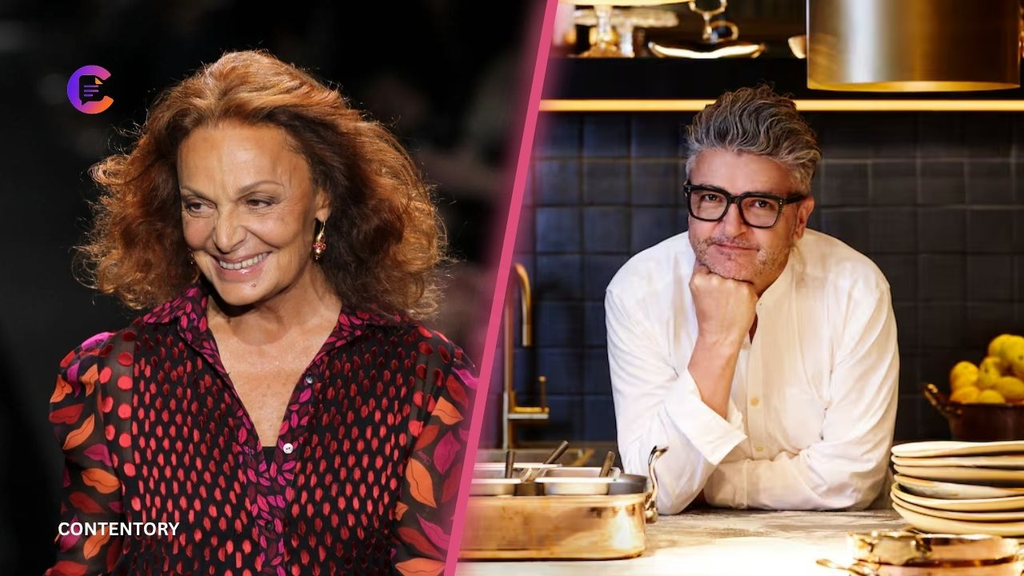
Diane von Furstenberg and Sean Connolly: Different Professional Backgrounds
The careers of Diane von Furstenberg and Sean Connolly developed in distinct creative environments.Diane von Furstenberg and Sean Connolly
Von Furstenberg works in an industry where clothing communicates personality, identity, taste, and cultural values. Designers must understand materials, construction, proportions, colors, consumer preferences, and the relationship between fashion and everyday life.Diane von Furstenberg and Sean Connolly
Connolly works in hospitality, an industry that combines culinary craftsmanship with customer service and business management. Restaurant professionals must consider ingredient quality, menu development, food preparation, atmosphere, staff training, and the overall customer experience.Diane von Furstenberg and Sean Connolly
Despite these differences, both professions require a clear creative vision.Diane von Furstenberg and Sean Connolly
A fashion designer must create products that customers recognize and want to wear. A chef and restaurateur must develop food and experiences that customers enjoy and remember. Both also need to understand how their work fits into a wider commercial environment.Diane von Furstenberg and Sean Connolly
Their careers illustrate how professional success can emerge from different combinations of technical ability, creative judgment, communication, and business planning.Diane von Furstenberg and Sean Connolly
The comparison is useful because it shows that creativity does not belong to one industry. It can influence a dress, a restaurant menu, a retail experience, or an entire brand.
The Early Life and Influences of Diane von Furstenberg
Diane von Furstenberg’s early life helped shape the perspective she later brought to fashion.
Born in postwar Europe, she grew up with a family history marked by survival and resilience. Her mother’s experience during the Holocaust remained a significant influence on her understanding of strength and perseverance.Diane von Furstenberg and Sean Connolly
As a young adult, von Furstenberg became interested in the opportunities offered by the fashion industry. Her international experiences exposed her to different cultures, social environments, and approaches to style.Diane von Furstenberg and Sean Connolly
She later moved into the fashion business and began developing a distinctive professional identity. Her early career required more than an eye for design. Building a fashion label also involved understanding manufacturing, retail, marketing, distribution, and customer demand.Diane von Furstenberg and Sean Connolly
The fashion industry can be particularly challenging for emerging designers because creative originality does not guarantee commercial success. Designers must create clothing that expresses a point of view while remaining practical enough for customers to purchase and wear.
Von Furstenberg’s success came partly from recognizing a gap between traditional fashion and the needs of women seeking clothing that could work across different parts of their lives.Diane von Furstenberg and Sean Connolly
That understanding eventually helped establish the foundation for her best-known creation.Diane von Furstenberg and Sean Connolly
How Diane von Furstenberg Changed Modern Fashion
Diane von Furstenberg’s greatest contribution to popular fashion is closely associated with the wrap dress, which she introduced in the 1970s.Diane von Furstenberg and Sean Connolly
The garment offered a relatively simple design that could be adjusted around the body. Its wrap construction, waist tie, and adaptable fit made it suitable for different occasions, from professional settings to social events.Diane von Furstenberg and Sean Connolly
The dress became popular because it combined visual appeal with everyday usefulness. Women could wear it without the complicated structure associated with some traditional formal garments.Diane von Furstenberg and Sean Connolly
Its cultural significance also reflected broader changes in women’s lives during the period. More women were entering professional environments, building independent careers, and seeking clothing that could move comfortably between work and personal activities.
The wrap dress offered a practical option that still felt fashionable and expressive.Diane von Furstenberg and Sean Connolly
Von Furstenberg’s achievement was not simply the creation of a successful garment. She also helped establish the idea that a recognizable design could become the foundation of a broader fashion brand.
The DVF name came to represent a particular combination of confidence, color, femininity, and wearable design.Diane von Furstenberg and Sean Connolly
The dress’s continuing recognition demonstrates the long-term influence of a product that addresses genuine consumer needs. While trends change frequently, clothing that balances style and practicality can remain relevant across generations.Diane von Furstenberg and Sean Connolly
The Evolution of the DVF Fashion Brand
The development of DVF illustrates the challenges and opportunities involved in building a fashion business.Diane von Furstenberg and Sean Connolly
A successful fashion label must maintain a recognizable identity while responding to changes in customer preferences. Consumers expect new collections, fresh designs, and products suited to contemporary lifestyles, but they may also value familiar elements that make a brand distinctive.
Von Furstenberg’s name became closely associated with the wrap dress, yet her wider career has involved a broader range of clothing, accessories, publishing, and public engagement.
The brand’s identity depends on more than its individual products. Its presentation, visual language, retail strategy, and association with the designer all contribute to how customers perceive it.
Building a fashion business also requires decisions about pricing, manufacturing, distribution, partnerships, and customer service. A design may receive widespread attention, but maintaining a business requires consistent attention to operational and commercial details.Diane von Furstenberg and Sean Connolly
Von Furstenberg’s experience demonstrates that creative entrepreneurs must balance artistic direction with practical management.
Her career also shows why personal branding can be powerful. When consumers associate a designer’s name with a recognizable style and set of values, the name itself becomes part of the product’s identity.
Diane von Furstenberg as an Author and Philanthropist
Von Furstenberg’s influence extends beyond fashion design. She has also written books and participated in public conversations about confidence, leadership, identity, and women’s professional opportunities.
Her published work provides insight into her approach to life and business. Through interviews, speeches, and writing, she has discussed the importance of resilience, independence, and maintaining a personal sense of identity.
She has also supported initiatives intended to recognize and encourage women in leadership. The DVF Awards, established in 2010, honor women who have demonstrated leadership, courage, and a commitment to improving the lives of others.Diane von Furstenberg and Sean Connolly
These activities demonstrate how an established public figure can use professional recognition to support wider social goals.
Philanthropy can also help connect a commercial brand with a broader purpose. When public figures support initiatives that align with their values, they create opportunities to contribute beyond their primary business activities.
For von Furstenberg, the relationship between fashion and women’s empowerment has remained a recurring theme throughout her public career.
Her legacy is therefore not limited to clothing. It also includes her participation in discussions about women’s independence, leadership, and representation.Diane von Furstenberg and Sean Connolly
Sean Connolly’s Journey Into the Culinary World
Sean Connolly’s professional journey reflects the combination of culinary skill, persistence, and business development required to establish a long career in hospitality.
Born in Yorkshire, England, Connolly developed a professional identity around cooking and restaurant experiences. Over the years, his work expanded beyond individual kitchens into restaurant concepts, culinary products, television, and other business activities.
The hospitality industry demands a broad range of abilities. A chef must understand ingredients, cooking techniques, flavors, and presentation, but a restaurateur also needs to manage budgets, suppliers, staffing, customer expectations, and daily operations.
These responsibilities become more complex when a business operates multiple venues or enters different markets.
Connolly’s work across Australia, New Zealand, and the Middle East illustrates the international scope of his career. Different markets bring different ingredients, dining customs, customer expectations, and commercial conditions.
Successful restaurant concepts must adapt to those differences without losing the qualities that make them distinctive.
Connolly’s emphasis on quality ingredients and uncomplicated cooking provides a consistent philosophy that can guide decisions across different settings.
His career is an example of how a professional can turn expertise in one area into a wider business identity.
Sean Connolly’s Philosophy of Food and Hospitality
A central feature of Sean Connolly’s culinary approach is the belief that good ingredients should remain the focus of a dish.
This philosophy favors careful sourcing, sound cooking techniques, and restraint rather than unnecessary decoration. It does not mean that presentation is unimportant. Instead, it suggests that presentation should support the food rather than distract from it.
Ingredient quality influences almost every stage of cooking. Fresh produce, well-sourced meat, seafood, and properly selected seasonings can make a substantial difference to the finished dish.
Simple cooking can also require considerable skill. When a recipe uses relatively few ingredients, each one becomes more noticeable. Poor timing, uneven cooking, or unsuitable seasoning can be difficult to conceal.
The same principle applies to restaurant management. A successful dining experience often depends on a collection of details that customers may not consciously notice when everything works well.
Service must be attentive without becoming intrusive. The atmosphere should complement the food. The menu should offer a coherent selection, and the kitchen must deliver consistent quality.
Connolly’s approach highlights the value of making deliberate choices rather than adding complexity for its own sake.
For restaurant owners and aspiring chefs, this philosophy offers a useful lesson: simplicity can be sophisticated when it is supported by knowledge, discipline, and attention to detail.
Sean Connolly’s Restaurants and Business Activities
Connolly’s professional website identifies several restaurant ventures associated with his career, including Esther at QT Hotel in Auckland, Pavilion Bar & Kitchens in Queenstown, and Steak & Co by Sean Connolly at West HQ in Sydney.
These venues illustrate how a chef’s identity can become part of a larger hospitality concept.
A restaurant’s success depends on the relationship between its menu, location, atmosphere, service, and intended audience. A venue in a hotel may serve business travelers, tourists, and local customers, while a restaurant in a different setting may focus on social dining or special occasions.
Each location requires decisions about menu design, staffing, suppliers, pricing, and customer experience.
Restaurant development also involves financial risk. Rent, equipment, labor, food costs, maintenance, and marketing can place significant pressure on profitability. Even a restaurant with an appealing concept must operate efficiently to remain sustainable.
For a chef who develops multiple venues, consistency becomes especially important. Customers may expect the same general standards even when restaurants operate in different locations or have different menus.
Connolly’s professional activities demonstrate the importance of treating hospitality as both a creative discipline and a business. Culinary expertise provides the foundation, while planning and operational management help turn that expertise into a sustainable enterprise.
Diane von Furstenberg and Sean Connolly: Creativity as a Business Strategy
Although Diane von Furstenberg and Sean Connolly work in different industries, their careers offer useful lessons about the relationship between creativity and business strategy.
Von Furstenberg built her reputation by creating clothing that combined a recognizable appearance with practical everyday use. Connolly developed his professional identity by focusing on food quality, restaurant atmosphere, and hospitality. Both examples show how a clear creative philosophy can help distinguish a business from its competitors.
A strong identity helps customers understand what to expect. In fashion, that identity might be expressed through signature silhouettes, patterns, materials, and design choices. In hospitality, it may appear through menu development, ingredient selection, service standards, and the overall dining environment.
However, creative consistency must be balanced with adaptation. Fashion designers need to respond to changes in style and customer expectations, while restaurants must adjust menus, operations, and services to suit their markets.
The broader lesson is that creativity becomes more valuable when it is supported by a clear understanding of customers. Original ideas attract attention, but reliable quality and consistent experiences encourage customers to return.
What Diane von Furstenberg and Sean Connolly Teach About Personal Branding
Personal branding is an important part of modern professional life. It allows people to communicate their expertise, values, and distinctive approach to an audience.
Diane von Furstenberg’s name is closely connected to fashion, independence, and the wrap dress. This association developed over many years through her designs, business activities, interviews, and public appearances.
Sean Connolly has also developed a professional identity around his culinary philosophy and hospitality ventures. His name represents an approach to cooking that emphasizes ingredients, simplicity, and the wider restaurant experience.
Neither example suggests that a personal brand can be created overnight. Recognition usually develops through repeated work, consistent communication, and the ability to deliver something that audiences value.
Professionals seeking to establish their own identities can learn several lessons from these careers:
- Develop a clear point of view: Understand what makes your work different and communicate it consistently.
- Maintain professional standards: A recognizable name means little without dependable quality.
- Understand your audience: Successful creative work responds to real interests, needs, and expectations.
- Build beyond one achievement: A signature product or successful project can provide a foundation for future opportunities.
- Adapt without losing your identity: New ideas can help a business evolve while preserving its defining characteristics.
These principles apply to designers, chefs, entrepreneurs, writers, and other professionals. A strong personal brand grows when creative identity and professional credibility reinforce one another.
Why Fashion and Hospitality Have More in Common Than They Seem
Fashion and hospitality may appear unrelated, but both industries depend heavily on the experiences they create for customers.
Fashion involves more than fabric and clothing construction. Customers may also consider the designer’s reputation, the product’s presentation, the shopping experience, and the identity associated with wearing a particular label.
Hospitality similarly involves more than preparing food. Guests often evaluate a restaurant through its atmosphere, service, location, menu, presentation, and overall comfort.
In both industries, details can influence customer perception. A well-designed garment may feel special because of its fit and finishing. A thoughtfully managed restaurant may feel memorable because the food, lighting, music, and service work together.
Storytelling also matters. Fashion brands often communicate the inspiration behind a collection, while restaurants may explain the origins of ingredients, the philosophy behind a menu, or the character of a particular venue.
These stories can help customers understand why a product or experience is different from the alternatives.
Nevertheless, storytelling works best when supported by genuine quality. A compelling brand message cannot indefinitely compensate for disappointing products or inconsistent service.
The professional careers of von Furstenberg and Connolly illustrate how a clear philosophy can inform multiple parts of a business, from product development to customer experience.
Diane von Furstenberg and Sean Connolly: Public Recognition and Professional Achievements
Public recognition can develop in different ways depending on a person’s industry.
Diane von Furstenberg achieved international visibility through fashion design and the commercial success of her signature dress. Her influence subsequently expanded through business leadership, books, philanthropy, and participation in the wider fashion community.
Her career is particularly notable because the wrap dress became recognizable beyond specialist fashion audiences. It entered broader conversations about women’s clothing, professional life, and changing cultural expectations.
Sean Connolly’s recognition comes primarily from culinary and hospitality work. His restaurant concepts, television appearances, cookbook, and food-related products have helped extend his professional presence beyond traditional restaurant kitchens.
The two careers demonstrate different forms of achievement. One centers on a signature fashion design and the development of a fashion label, while the other emphasizes culinary expertise and the creation of dining destinations.
Their accomplishments should be evaluated according to the work each person has actually undertaken. Comparing their professional journeys can be informative, but it would be misleading to suggest that one has influenced the other’s achievements without evidence.
A fair comparison recognizes both the differences between their industries and the skills needed to succeed in each.
Are Diane von Furstenberg and Sean Connolly Married or Related?
There is no verified public information establishing that Diane von Furstenberg and Sean Connolly are married, romantically involved, or related by family.
Von Furstenberg’s documented personal history includes her marriage to Prince Egon von Fürstenberg in 1969. They had two children, Alexander and Tatiana. She later married American media executive Barry Diller in 2001.
Sean Connolly’s public professional biography focuses on his culinary career and business activities. It does not establish a family or romantic relationship with von Furstenberg.
It is important not to confuse an online search pairing with a confirmed personal connection. Two names can appear together in search results without the individuals having a documented relationship.
Readers should also recognize that Sean Connolly is a name shared by different people. A chef and restaurateur, an actor, and other professionals may have separate biographies. Information about one person should not automatically be attributed to another.
When researching personal relationships, reliable evidence might include a direct statement from the people involved, an official announcement, a documented professional collaboration, or reputable reporting that identifies the connection clearly.
Without such evidence, the most accurate conclusion is that no meaningful relationship between Diane von Furstenberg and Sean Connolly has been established publicly.
Why Do People Search for Diane von Furstenberg and Sean Connolly Together?
The precise reason people search for Diane von Furstenberg and Sean Connolly together is not established by reliable public information.
There are several general reasons why two unrelated names can become associated online. Search engines may recommend related queries, websites may publish articles targeting unusual combinations of names, and automated systems may connect terms that appear in similar contexts.
Repeated publication can also make an association more visible. Once a phrase appears on several websites, additional publishers may repeat it, even if the original reason for the pairing remains unclear.
This can create an impression that a significant relationship exists when the available evidence does not support that conclusion.
Another possible source of confusion is the existence of multiple people with the same name. Readers researching a chef, actor, executive, or other professional may encounter information belonging to someone else.
The best way to evaluate a search result is to look beyond its headline. Check the article’s sources, identify the individuals precisely, and determine whether it provides evidence for the relationship it describes.
For the phrase Diane von Furstenberg and Sean Connolly, the available information supports an exploration of their separate professional backgrounds rather than a claim of a confirmed partnership.
What Can Entrepreneurs Learn From Diane von Furstenberg and Sean Connolly?
Entrepreneurs can draw practical lessons from both careers, even though their businesses operate in different markets.
First, a recognizable product or experience can help a business stand out. Von Furstenberg’s wrap dress became closely associated with her name because it offered a distinctive combination of design and practicality. Connolly’s approach to food emphasizes quality ingredients and a consistent culinary philosophy.
Second, a business needs a clear identity. Customers are more likely to understand and remember a company when its products, services, and communication reflect consistent values.
Third, quality requires attention to detail. Fashion businesses must consider design, materials, production, and fit. Restaurants must manage sourcing, preparation, presentation, service, and operational standards.
Fourth, professional success often requires expansion beyond an individual’s original specialty. Designers may explore publishing, accessories, and charitable initiatives, while chefs may develop restaurant concepts, television projects, cookbooks, and food products.
Finally, long-term success depends on adaptability. Businesses must respond to changes in technology, customer behavior, competition, and economic conditions while preserving the qualities that made them distinctive.
These lessons are useful for entrepreneurs in many fields because they focus on fundamentals rather than trends. A strong idea, supported by consistent execution and an understanding of customers, can create opportunities for sustainable growth.
The Lasting Legacies of Diane von Furstenberg and Sean Connolly
Diane von Furstenberg’s legacy is closely associated with the transformation of a practical dress into an internationally recognized fashion symbol. Her work helped establish a distinctive design identity and contributed to wider discussions about women’s independence, self-expression, and professional life.
Her career also demonstrates how fashion can serve as a foundation for entrepreneurship, publishing, and philanthropy. The continued recognition of her signature design shows the potential for a well-conceived product to remain relevant long after its introduction.
Sean Connolly’s professional legacy is associated with culinary creativity, restaurant development, and a philosophy that values quality ingredients and uncomplicated cooking. His work demonstrates how chefs can expand their influence through hospitality businesses and other food-related activities.
His career also highlights the importance of the wider dining experience. A restaurant’s identity is shaped not only by its menu but also by its atmosphere, service, and the standards maintained by its team.
Their legacies are different, but each illustrates how professional expertise can become a recognizable identity. One operates primarily through clothing and fashion culture, while the other works through food and hospitality.
Neither career needs an unverified connection to the other to be interesting or meaningful.
Frequently Asked Questions About Diane von Furstenberg and Sean Connolly
Who is Diane von Furstenberg?
Diane von Furstenberg is a Belgian-born American fashion designer, entrepreneur, author, and philanthropist. She is best known for introducing the iconic wrap dress during the 1970s and building the DVF fashion brand.
Who is Sean Connolly?
Sean Connolly is a Yorkshire-born chef, restaurateur, and businessman. His career includes restaurant development, television appearances, culinary products, and hospitality projects across several international markets.
Are Diane von Furstenberg and Sean Connolly related?
No verified public information establishes a family relationship between Diane von Furstenberg and Sean Connolly. Their published professional histories focus on separate careers.
Are Diane von Furstenberg and Sean Connolly married?
There is no verified evidence that they are married or romantic partners. Diane von Furstenberg married media executive Barry Diller in 2001.
Have Diane von Furstenberg and Sean Connolly worked together?
No significant professional collaboration between the two has been established through the available public information. Their careers are primarily associated with fashion and hospitality, respectively.
What is Diane von Furstenberg most famous for?
She is best known for the wrap dress, which became an influential garment during the 1970s. Her wider career includes fashion entrepreneurship, writing, and philanthropy.
What is Sean Connolly known for professionally?
Connolly is known for his culinary career, restaurant concepts, and hospitality ventures. His professional philosophy emphasizes quality ingredients, straightforward cooking, and creating a complete dining experience.
Why are Diane von Furstenberg and Sean Connolly mentioned together online?
The exact reason for the pairing is unclear. Online searches and published content can associate unrelated names, but their appearance together does not establish a personal or professional relationship.
What do Diane von Furstenberg and Sean Connolly have in common?
Both have developed recognizable professional identities around creativity and business. Von Furstenberg is associated with fashion design, while Connolly is associated with cooking and hospitality. Their careers can be compared through their approaches to quality, personal branding, and customer experience.
What makes their professional stories interesting?
Their careers illustrate different ways to turn expertise into a recognizable business identity. Von Furstenberg built an internationally recognized fashion label, while Connolly expanded his culinary work into restaurant and hospitality ventures.
Conclusion: Understanding Diane von Furstenberg and Sean Connolly
Diane von Furstenberg and Sean Connolly represent two distinct approaches to creativity, entrepreneurship, and professional development. Von Furstenberg built an influential career in fashion through her iconic wrap dress, her business leadership, and her advocacy for women’s empowerment. Connolly developed a career in the culinary world through restaurant development, hospitality, and a philosophy centered on quality ingredients and simplicity.
Their professional journeys demonstrate the value of a clear creative vision, consistent standards, and the ability to turn specialized knowledge into a recognizable identity. Fashion and hospitality operate differently, but both reward professionals who understand their customers and deliver meaningful experiences.
At the same time, it is important to clarify that no verified public evidence establishes a personal, romantic, family, or significant business relationship between Diane von Furstenberg and Sean Connolly. Their names appearing together online should not be treated as proof of a shared history.
The most informative way to explore this topic is to understand their individual backgrounds, recognize their respective achievements, and avoid unsupported assumptions. Their separate careers provide plenty of material for meaningful discussion about creativity, business, and lasting professional influence.
Ultimately, Diane von Furstenberg’s impact on fashion and Sean Connolly’s work in hospitality illustrate how different forms of expertise can develop into successful professional identities. Their stories are valuable in their own right, regardless of whether a direct connection between them ever emerges.