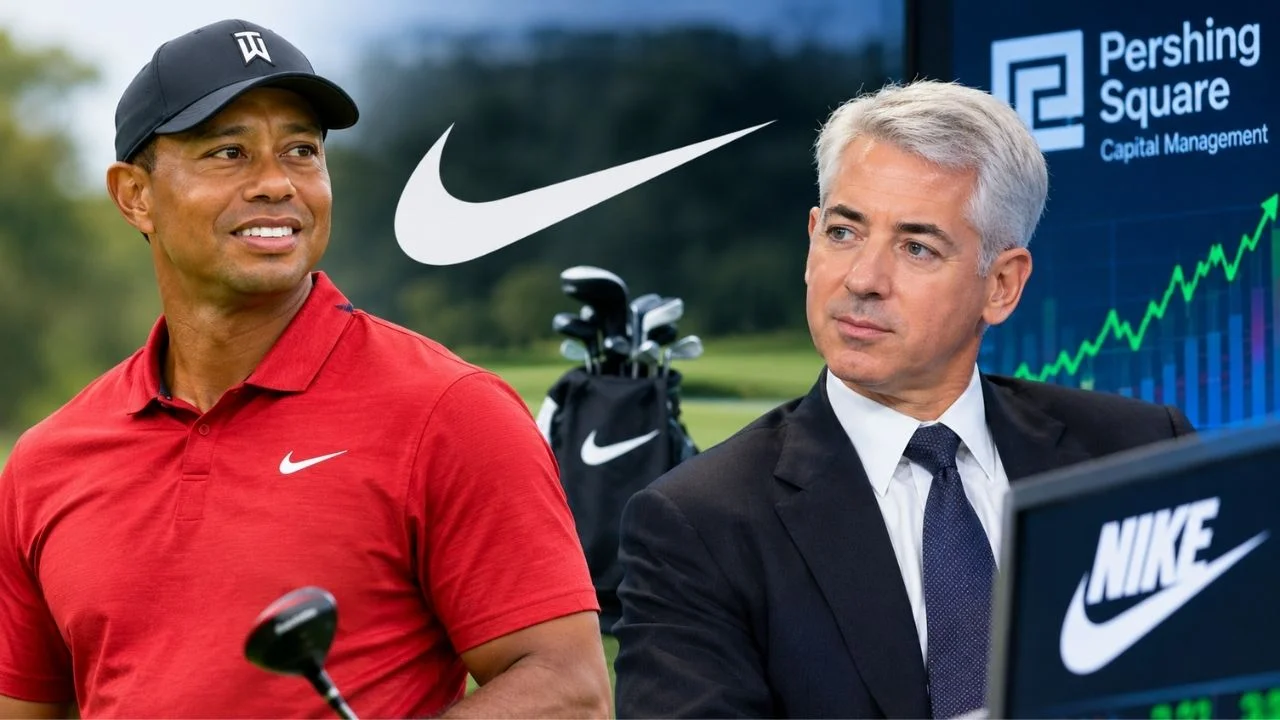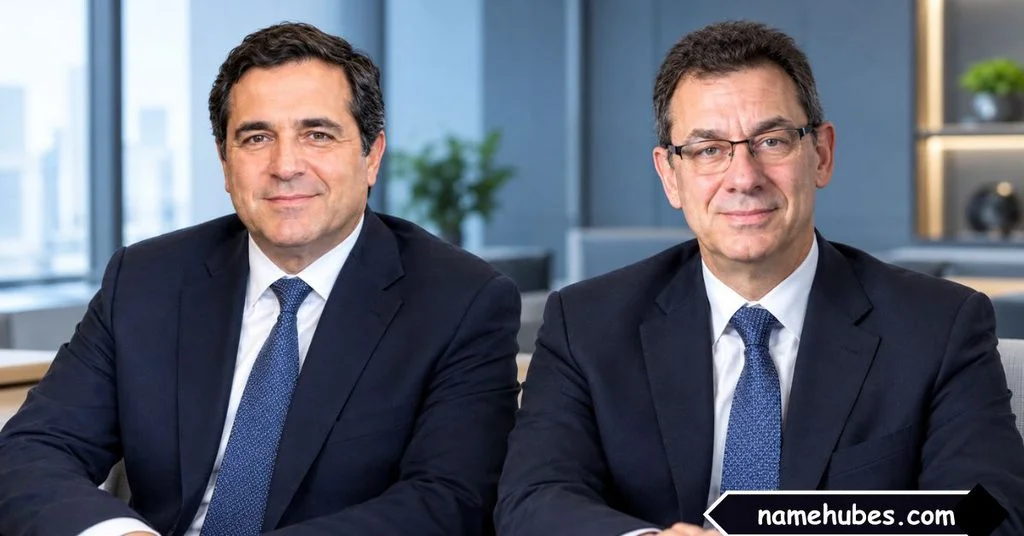
Bill Ackman and Miguel Patricio are two prominent figures associated with different but influential areas of the global business world. Bill Ackman is widely recognized for his work as an investor, hedge fund manager, and founder of Pershing Square Capital Management. Miguel Patricio is known for his international business leadership and his experience in the consumer goods industry, particularly through his leadership role at Kraft Heinz.
Although their professional backgrounds differ, both individuals offer valuable examples of how strategic thinking, leadership, and long-term decision-making can influence major organizations. Ackman approaches business primarily through investment analysis, corporate valuation, and shareholder value. Patricio has built his reputation through brand development, marketing, operational management, and international business experience.
The topic of Bill Ackman and Miguel Patricio brings together two distinct perspectives on modern corporate leadership. One focuses on identifying investment opportunities and improving the performance of businesses, while the other emphasizes managing global brands, understanding consumer behavior, and building sustainable commercial growth.
Understanding their careers provides insight into the relationship between investors and corporate executives. Investors evaluate companies based on their financial performance and future potential, while executives are responsible for translating business strategies into measurable results. Their respective professional journeys demonstrate why both perspectives are important in today’s competitive economy.
Who Is Bill Ackman?
Bill Ackman is an American billionaire investor and the founder and chief executive of Pershing Square Capital Management, an investment management firm known for taking significant positions in publicly traded companies. He became widely recognized for his activist investment approach, which involves investing in businesses and advocating changes intended to improve their performance and market value.
Born on May 11, 1966, Ackman studied at Harvard University, where he earned an undergraduate degree and later completed an MBA at Harvard Business School. His education helped establish the analytical foundation for a career centered on financial markets, business strategy, and corporate governance.
Ackman founded Pershing Square Capital Management in 2004. The firm developed a reputation for concentrating its investments in a relatively small number of companies rather than spreading capital across a large portfolio of unrelated securities.
His investment philosophy generally involves identifying businesses that he believes possess significant potential, examining their financial structures, evaluating their competitive advantages, and determining whether management decisions support long-term shareholder value.
Over the years, Ackman has attracted considerable attention for his investment positions, public presentations, and willingness to challenge established corporate strategies. Supporters view this approach as a way to encourage accountability and operational improvement. Critics, however, sometimes question the influence activist investors can exert over corporate decisions.
His career illustrates the opportunities and risks associated with concentrated investing, particularly when financial performance depends on complex business transformations.
Who Is Miguel Patricio?
Miguel Patricio is an international business executive best known for his leadership in the consumer packaged goods industry. He became particularly prominent through his work at Kraft Heinz, one of the world’s major food companies.
Patricio was born in Portugal and developed extensive international experience during a career that included senior positions at multinational consumer businesses. His professional background spans marketing, brand management, business strategy, and executive leadership.
Before joining Kraft Heinz, Patricio spent many years at Anheuser-Busch InBev and its predecessor organizations. During that period, he gained experience managing global brands, working across international markets, and developing marketing strategies for large consumer audiences.
His background made him particularly associated with the view that established consumer companies must continuously adapt to changing customer expectations. Brand recognition alone does not guarantee future growth. Businesses also need relevant products, effective distribution, competitive pricing, and a clear understanding of consumer preferences.
Patricio became chief executive officer of Kraft Heinz in 2019. His appointment came as the company faced questions about growth, brand investment, product innovation, and its ability to compete in a changing food market.
His leadership placed renewed attention on marketing, innovation, organizational culture, and the long-term development of the company’s product portfolio.
The professional story of Miguel Patricio demonstrates how executive leadership requires a combination of commercial judgment, operational discipline, and the ability to respond to changing market conditions.
Bill Ackman and Miguel Patricio: Understanding Their Professional Connection
The relationship between Bill Ackman and Miguel Patricio is an interesting subject because their professional histories intersect with the broader corporate story of Kraft. However, it is important to distinguish a shared connection to a company or industry from a confirmed personal or business partnership.
Ackman became associated with Kraft Foods through his investment activities in 2010. During that period, Pershing Square Capital Management held a stake in Kraft Foods and supported the company’s pursuit of Cadbury, the British confectionery business.
Miguel Patricio joined Kraft Heinz much later, becoming its chief executive officer in June 2019. His role focused on operating the business, strengthening consumer brands, improving marketing effectiveness, and guiding the company through a changing food industry.
These events occurred in different periods of corporate history. Kraft Foods later became part of the business structure that led to Kraft Heinz in 2015, following the combination of Kraft and Heinz.
Therefore, the connection between Bill Ackman and Miguel Patricio is best understood through their different relationships with the Kraft corporate history rather than an assumed direct partnership. Publicly available records do not establish that the two men jointly managed a business or worked together in a formal executive arrangement.
This distinction matters because corporate names, investment positions, and executive appointments can overlap across years without demonstrating a personal relationship between the individuals involved.
Bill Ackman and Miguel Patricio: Different Approaches to Business Strategy
One of the most useful ways to compare Bill Ackman and Miguel Patricio is to examine how their professional responsibilities influence their decision-making.
Ackman evaluates companies from an investor’s perspective. His work involves studying financial statements, assessing management performance, estimating future cash flows, and identifying businesses that may be undervalued relative to their long-term potential.
Patricio’s professional background is rooted in managing consumer businesses. His work has involved developing brands, coordinating international operations, responding to market trends, and helping companies remain relevant to customers.
Although both approaches involve strategic planning, their objectives and responsibilities are different.
An investor may believe a company can generate greater value by changing its cost structure, reallocating capital, or improving corporate governance. An executive must determine how to implement operational changes without damaging employee performance, product quality, customer relationships, or long-term competitiveness.
These differences illustrate the relationship between financial ownership and operational leadership.
Investors can influence corporate decisions through voting rights, shareholder engagement, and public recommendations. Executives are responsible for turning business priorities into practical plans and delivering results over time.
The careers of Bill Ackman and Miguel Patricio demonstrate why successful companies need both financial discipline and effective operational management.
Bill Ackman’s Investment Philosophy and Corporate Influence
Bill Ackman is widely associated with activist investing, a strategy in which investors purchase meaningful stakes in companies and advocate changes they believe could improve business performance.
Rather than simply buying shares and waiting for prices to rise, activist investors may engage with company boards, communicate with management, or publicly present proposals for improving shareholder value.
Ackman’s approach has often involved concentrating investments in businesses he believes possess strong underlying characteristics but may be facing strategic, financial, or management challenges.
This approach can create opportunities when a company’s market valuation does not reflect its potential. However, concentrated investing also introduces substantial risk because poor business performance or an incorrect investment thesis can have a significant impact on returns.
Corporate influence is another important element of Ackman’s career. Public investment presentations and shareholder campaigns can attract attention from financial analysts, institutional investors, and company executives.
Such activity may encourage businesses to reconsider their strategies. Nevertheless, the ultimate success of an activist campaign depends on the quality of its proposals, the company’s circumstances, and whether recommended changes produce sustainable results.
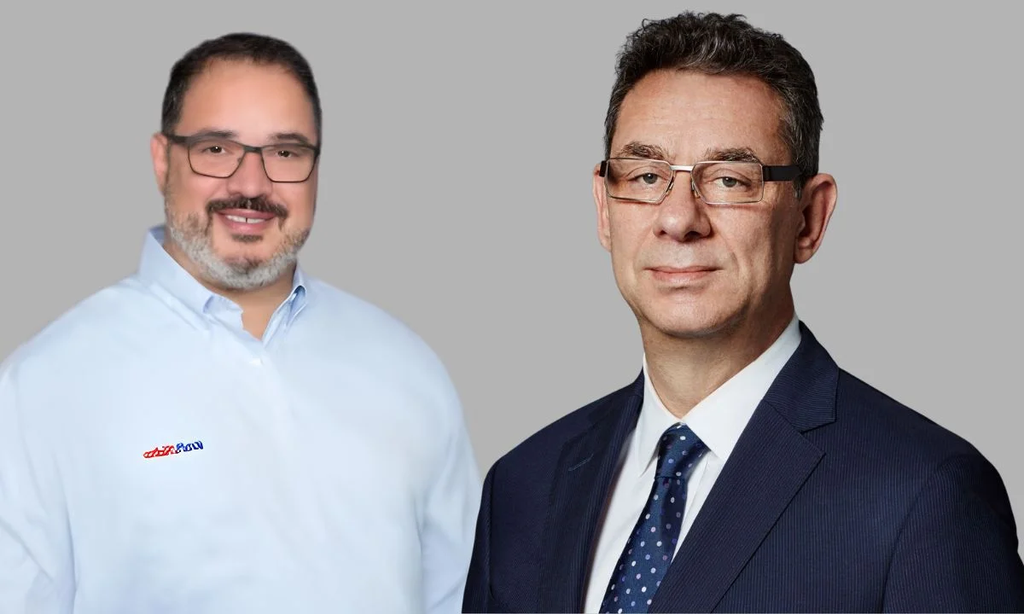
For readers exploring Bill Ackman and Miguel Patricio, Ackman’s investment philosophy provides context for understanding how shareholders can influence major companies, even when they do not occupy executive positions within those organizations.
Miguel Patricio’s Leadership at Kraft Heinz
Miguel Patricio became chief executive officer of Kraft Heinz in June 2019. His appointment brought an executive with extensive international marketing and consumer-brand experience to a company facing significant questions about growth and brand development.Bill Ackman and Miguel Patricio
Kraft Heinz owns a portfolio of familiar food brands, including Heinz, Kraft, Philadelphia, Oscar Mayer, and other products sold across different markets. Maintaining the strength of such brands requires ongoing investment, careful product positioning, and an understanding of changing consumer preferences.
During Patricio’s tenure as CEO, the company operated in an environment shaped by shifting shopping habits, competition from private-label products, changing expectations around food ingredients, and pressure to maintain profitable growth.
His professional background at Anheuser-Busch InBev provided experience with internationally recognized consumer brands. Marketing in the beverage industry and marketing in the food industry are not identical, but both require companies to understand customer behavior and create products that remain relevant.Bill Ackman and Miguel Patricio
Patricio’s leadership emphasized the importance of brand development and innovation alongside financial and operational considerations.
His CEO tenure ended in December 2023, when Carlos Abrams-Rivera succeeded him as chief executive. Patricio subsequently continued in a board leadership role.
In September 2025, Kraft Heinz announced a plan to separate its business into two independent public companies. The announcement reflected the company’s effort to give different business portfolios greater strategic focus. Patricio was identified as executive chair in connection with that proposed separation.Bill Ackman and Miguel Patricio
These developments illustrate how leadership responsibilities can evolve as companies reconsider their structure and future direction.
Bill Ackman and Miguel Patricio: The Importance of Brand Value
Brand value is an important concept connecting investment analysis with consumer-business leadership.
For an investor such as Bill Ackman, a strong brand can be evidence of a company’s competitive advantage. Recognizable products may benefit from customer loyalty, established distribution networks, and pricing power. These characteristics can contribute to predictable revenue and long-term cash generation.Bill Ackman and Miguel Patricio
For an executive such as Miguel Patricio, brand value is also an operating responsibility. A familiar name must continue to meet customer expectations, maintain product quality, and adapt to changes in the market.
A brand can lose relevance if a company underinvests in innovation, ignores customer preferences, or relies too heavily on historical recognition.
Consider a food business that has sold the same product for decades. Its established customer base can be an advantage, but competitors may introduce more affordable alternatives, healthier options, or packaging that better suits modern lifestyles.
Management must determine how to protect the original brand while responding to these changes. Investors, meanwhile, evaluate whether management’s decisions are likely to improve long-term profitability.Bill Ackman and Miguel Patricio
This interaction shows how financial analysis and marketing strategy can complement one another. The investor evaluates the economic potential of a brand, while the executive works to preserve and expand that potential through practical business decisions.
Financial Performance and Long-Term Growth
Financial performance is another area in which the professional perspectives of Ackman and Patricio offer useful lessons.
Investors often assess companies through revenue growth, operating margins, cash flow, debt levels, and return on invested capital. These measures help determine whether a company is generating value from its resources.
Executives must use similar information to make operating decisions. They may review production costs, distribution expenses, marketing returns, product profitability, and the performance of different geographic markets.
However, financial results should not be considered in isolation.Bill Ackman and Miguel Patricio
Reducing expenses can improve short-term profitability, but excessive cost cutting may weaken product quality, employee capabilities, or brand investment. Similarly, increasing marketing expenditure does not guarantee growth if campaigns fail to reach the right customers.
Sustainable performance requires a balance between efficiency and investment.
The broader lesson from Bill Ackman’s investment career and Miguel Patricio’s executive experience is that long-term business value depends on more than a single financial metric. Companies must allocate capital carefully while preserving the capabilities that support future growth.
For investors, this means looking beyond temporary market excitement. For executives, it means ensuring that strategic plans deliver measurable improvements without sacrificing the company’s long-term competitiveness.
Leadership Challenges in a Changing Global Economy
Modern business leaders face an increasingly complicated operating environment. Inflation, supply-chain disruptions, technological change, geopolitical uncertainty, and shifting consumer expectations can affect both corporate profits and investment valuations.
Investors must estimate how these developments will influence future earnings. Executives must respond to them through pricing decisions, procurement strategies, workforce planning, and product development.
For a consumer goods company, higher transportation or ingredient costs can reduce profit margins. Raising prices may protect profitability but can also encourage customers to choose competing products.
Likewise, an investor may identify a company with attractive brands and substantial market reach but still need to consider whether its debt burden or operating structure creates significant risk.
These challenges demonstrate the importance of disciplined decision-making.Bill Ackman and Miguel Patricio
Ackman’s investment-oriented perspective emphasizes the need to understand a company’s economics before committing capital. Patricio’s executive background highlights the importance of understanding consumers, coordinating operations, and maintaining the relevance of established products.
Neither perspective eliminates uncertainty. Instead, each provides tools for evaluating risks and making informed decisions.Bill Ackman and Miguel Patricio
Lessons Entrepreneurs Can Learn From Bill Ackman and Miguel Patricio
Entrepreneurs and business owners can draw several practical lessons from these two professional careers.
First, understand the fundamentals. A business should have a clear value proposition, a realistic financial model, and a credible explanation of how it will generate revenue. Exciting ideas are not enough without a sustainable economic foundation.
Second, protect customer trust. Strong brands develop through consistent quality, reliable service, and products that meet customer needs. Recognition may attract attention, but long-term loyalty requires continued performance.Bill Ackman and Miguel Patricio
Third, measure results. Business owners should track relevant indicators such as customer retention, profit margins, cash flow, and the effectiveness of marketing campaigns. Reliable data helps identify problems before they become more serious.
Fourth, invest with discipline. Growth often requires spending on employees, technology, product development, or distribution. However, every investment should have a clear purpose and a reasonable assessment of its risks.
Fifth, remain adaptable. Markets change, competitors improve, and consumer preferences evolve. Companies that regularly review their assumptions are better positioned to respond to new opportunities and challenges.Bill Ackman and Miguel Patricio
These lessons apply to small businesses as well as large corporations. A local food company and a multinational manufacturer may operate at different scales, but both must understand their customers, manage resources, and make decisions that support future performance.
Public Interest in Bill Ackman and Miguel Patricio
Search interest in Bill Ackman and Miguel Patricio can be understood through the wider public fascination with business leaders, wealthy investors, and major corporations.
Ackman attracts attention because of his high-profile investment decisions, financial commentary, and involvement in corporate governance debates. His career is frequently discussed in relation to investment strategy, shareholder activism, and financial markets.
Patricio attracts interest through his international business experience and leadership of a major food company. His career offers a different perspective on how executives manage established brands and respond to competitive pressure.
When two business figures are discussed together, readers may naturally wonder whether they share a company, investment, professional relationship, or personal connection.Bill Ackman and Miguel Patricio
In this case, the historical connection to Kraft provides relevant corporate context, but it should not be confused with evidence of a formal partnership.
Reliable business writing distinguishes documented events from assumptions. This approach is particularly important when discussing prominent individuals because repeated online claims do not automatically become verified facts.
Readers seeking accurate information should prioritize corporate announcements, regulatory filings, reputable financial reporting, and official biographies over unsupported speculation.
What Bill Ackman and Miguel Patricio Represent in Modern Business
Bill Ackman and Miguel Patricio represent two different but complementary aspects of corporate decision-making.
Ackman represents the investment perspective: assessing companies, allocating capital, evaluating management, and determining whether a business can generate attractive long-term returns.
Patricio represents the executive perspective: managing people, developing brands, responding to customers, and guiding a large organization through strategic and operational challenges.
These responsibilities sometimes overlap in their broader objectives. Both investors and executives want businesses to remain competitive and generate sustainable value, although they may disagree about the best methods or appropriate time frame.
Investors may favor faster changes to improve financial returns. Executives may need to consider operational complexity, employee capabilities, customer expectations, and the consequences of implementing changes too quickly.
Effective corporate governance provides a framework for balancing these perspectives. Boards, management teams, and shareholders each have responsibilities that can contribute to better decision-making when communication is constructive and expectations are realistic.
Their careers demonstrate that business success rarely depends on one person or one strategy. It generally requires financial understanding, operational competence, sound leadership, and the ability to respond to changing conditions.
Frequently Asked Questions About Bill Ackman and Miguel Patricio
Are Bill Ackman and Miguel Patricio business partners?
Publicly available records do not establish that Bill Ackman and Miguel Patricio are formal business partners. Their documented connections to the Kraft corporate history involve different roles and periods.
What is Bill Ackman known for?
Bill Ackman is known for founding Pershing Square Capital Management and pursuing an activist investment strategy. His work involves analyzing companies, investing capital, and advocating changes that he believes can improve shareholder value.
What is Miguel Patricio known for?
Miguel Patricio is an international business executive known for his consumer-brand experience and his former position as CEO of Kraft Heinz. He became CEO in June 2019 and left that role in December 2023.
How are Bill Ackman and Miguel Patricio connected to Kraft?
Ackman’s investment firm held a stake in Kraft Foods in 2010 and supported its pursuit of Cadbury. Patricio joined the later Kraft Heinz organization as CEO in 2019. Their documented associations therefore belong to different stages of the company’s history.
Did Bill Ackman manage Kraft Heinz?
Ackman’s documented involvement with Kraft Foods was through investment activity. This is different from serving as Kraft Heinz’s chief executive or operating manager. The available historical information does not establish that he managed the company alongside Patricio.
What can business owners learn from their careers?
Business owners can learn the importance of financial discipline, brand development, effective management, and long-term planning. They can also see why investment decisions and operational decisions must work together to create sustainable value.
Conclusion: Bill Ackman and Miguel Patricio in Business History
The story of Bill Ackman and Miguel Patricio provides an informative look at two distinct approaches to the modern business world. Ackman built his reputation through investment management, corporate analysis, and shareholder activism. Patricio developed extensive experience in international marketing, consumer brands, and executive leadership.
Their documented connections to Kraft-related businesses offer useful historical context, but they should not be portrayed as confirmed business partners without supporting evidence.
Their careers nevertheless illustrate an important principle: successful companies need both a clear financial strategy and effective operational leadership. Investors assess opportunities, risks, and potential returns, while executives are responsible for creating products, serving customers, managing teams, and delivering business results.
For entrepreneurs, students, investors, and readers interested in corporate leadership, the comparison offers valuable lessons about accountability, innovation, strategic planning, and the importance of evidence-based decision-making.
Ultimately, understanding Bill Ackman and Miguel Patricio means understanding their individual achievements, their different professional responsibilities, and the broader corporate history that connects their names.