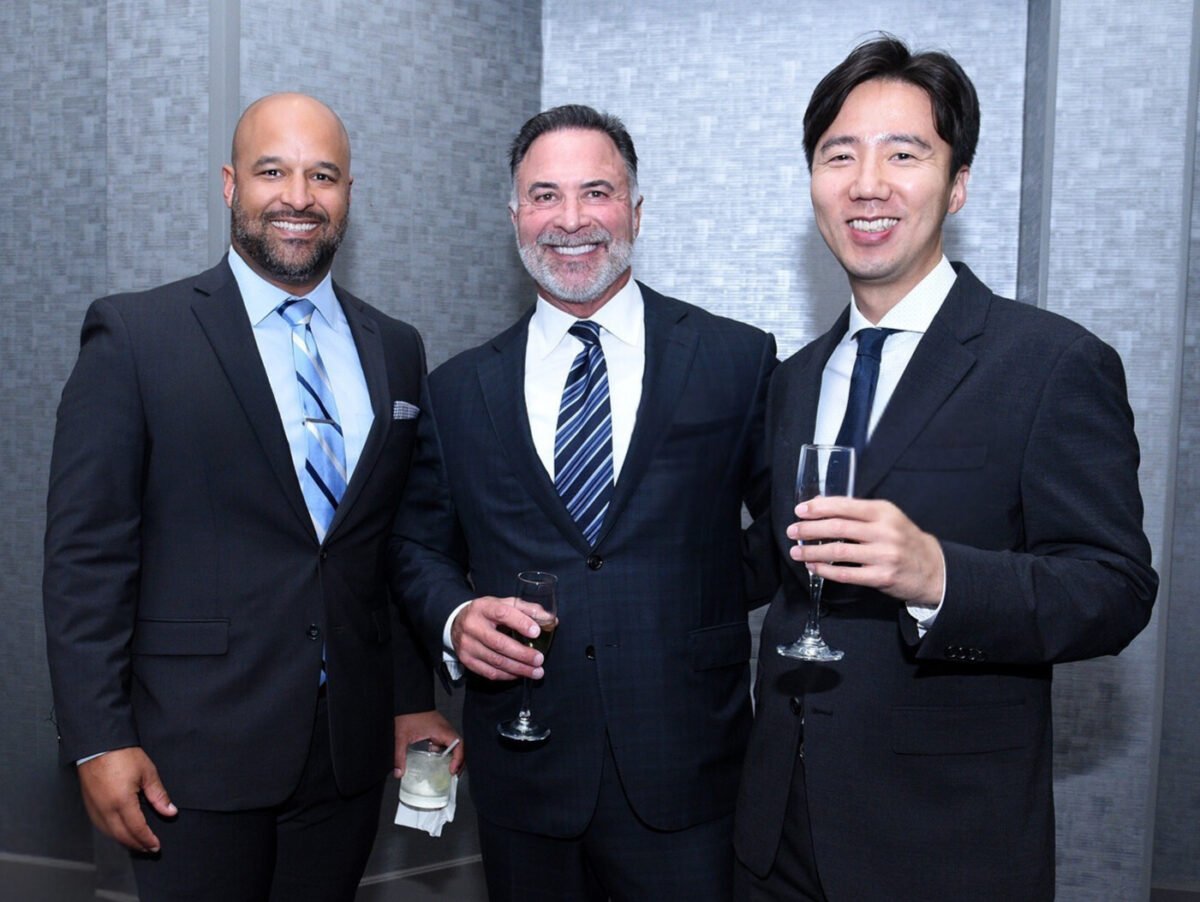
David Lawler and Bruce Broussard are names associated with professional leadership and the broader world of business. Understanding their careers requires looking at their individual backgrounds, professional responsibilities, leadership approaches, and the industries in which they have worked. Although people may search for these two names together, it is important to distinguish their individual accomplishments from any direct professional relationship between them.
In modern business, executives are often recognized for their ability to guide organizations through changing markets, manage complex operations, develop long-term strategies, and respond to new challenges. Their responsibilities may include financial planning, organizational development, employee leadership, and relationships with customers, investors, and business partners.
The professional journeys of David Lawler and Bruce Broussard offer an opportunity to explore these wider themes. However, the names alone do not establish that the two executives worked together, shared a company, or participated in a specific business transaction. Their careers should therefore be examined individually, with attention to verified professional information and the broader business environments in which executives operate.
This article explores the importance of executive leadership, career development, corporate strategy, and professional reputation while considering how readers can understand the available information about David Lawler and Bruce Broussard without confusing separate careers or assuming an unverified connection.
Who Is David Lawler?
The name David Lawler may refer to different professionals, making identification an important first step when researching his career. In business and corporate environments, individuals with the same name can hold different positions, work in separate industries, and have distinct professional histories.
A reliable profile of David Lawler should begin with his full professional identity, including his current or former organization, job title, industry, and documented career experience. These details help readers distinguish one individual from another and understand the context of his work.
For business leaders, professional recognition can come from several sources. Some executives become known through senior management positions, while others gain recognition through operational responsibilities, industry expertise, investment activities, or participation in major corporate initiatives.
Understanding these distinctions is essential when evaluating information about David Lawler. Rather than relying on assumptions based on a name alone, readers should look for consistent details across official company biographies, professional announcements, reputable business publications, and other credible records.
David Lawler’s Professional Background
A professional background generally includes education, early employment, career progression, and the experiences that prepared an individual for later responsibilities. These elements can help explain how an executive developed the knowledge and judgment required to manage complex business activities.
For someone researching David Lawler, employment history is particularly useful. Previous roles may demonstrate experience in operations, finance, management, strategy, or another specialized field. Each position can provide insight into the skills and responsibilities associated with an individual’s career.
Education may also contribute to a professional profile, especially when it is directly connected to the person’s documented career. Degrees, certifications, and professional training can help explain an executive’s technical knowledge, although qualifications alone do not determine leadership effectiveness.
It is equally important to consider the organizations in which a professional has worked. Company size, industry conditions, and the scope of a position can influence the type of experience an executive gains over time.
Without a clearly identified and verified biography, however, specific claims about David Lawler’s education, employers, or career achievements should not be presented as established facts.
David Lawler and Executive Leadership
Executive leadership involves more than holding a senior title. It requires setting priorities, coordinating teams, communicating expectations, and making decisions that affect an organization’s future.
Successful leaders often balance short-term operational demands with long-term objectives. They must understand current business conditions while preparing their organizations for possible changes in customer expectations, technology, competition, and regulation.
Leadership also involves accountability. Executives are expected to explain important decisions, evaluate results, and make adjustments when strategies fail to deliver their intended outcomes. These responsibilities require analytical thinking, communication skills, and the ability to work with people who have different professional perspectives.
When evaluating David Lawler’s leadership, readers should focus on documented positions and measurable accomplishments rather than assumptions. Verified responsibilities, official announcements, and credible reporting offer a stronger basis for understanding a professional career than speculation or unsupported online profiles.
Who Is Bruce Broussard?
Bruce Broussard is a business executive best known for his leadership in the healthcare industry, particularly through his association with Humana, a major American health insurance company. His professional background is connected with healthcare administration, corporate management, and the challenges of delivering services in a highly regulated industry.
Healthcare leadership requires a combination of business knowledge, operational discipline, and an understanding of how organizational decisions affect patients, providers, employees, and customers. Executives in this field must consider financial performance alongside service quality, regulatory responsibilities, and changing healthcare needs.
Broussard’s career is relevant to discussions about executive management because healthcare organizations operate in an environment where decisions can have financial, operational, and human consequences. Leaders must consider costs, access to services, customer experience, and the long-term sustainability of their organizations.
His professional profile should be understood through documented company history and reliable reporting about his executive responsibilities. Exact titles, dates, and current positions should be checked against up-to-date company information because corporate leadership roles can change over time.
Bruce Broussard’s Career in Healthcare
Healthcare is one of the most complex sectors of the American economy. It combines insurance, medical services, technology, government policy, pharmaceutical products, and a wide range of professional service providers.
Executives in this environment must understand how different parts of the system influence one another. Changes in insurance coverage can affect members, employers, hospitals, physicians, and public spending. Similarly, changes in technology may influence administrative efficiency, customer service, and the management of medical information.
Bruce Broussard’s association with Humana places his career within this wider healthcare landscape. Humana has operated in the health insurance market and has developed a significant focus on Medicare-related services, including Medicare Advantage plans.
Leadership in such an organization requires attention to regulatory compliance, financial management, member experience, provider relationships, and long-term business planning. These responsibilities make healthcare executives accountable to multiple groups with sometimes competing priorities.
Understanding Broussard’s career therefore involves more than reviewing executive titles. It also requires considering the market conditions and institutional responsibilities that shape healthcare management.
Bruce Broussard and Corporate Management
Corporate management brings together strategy, people, resources, and performance measurement. Senior executives establish organizational priorities and help determine how resources should be allocated to achieve business objectives.
In healthcare, management decisions may influence how an organization develops its services, supports members, works with providers, invests in technology, and responds to regulatory changes. Each decision must be evaluated in light of both financial considerations and the organization’s responsibilities to the people it serves.
Executives also need effective communication systems. Employees must understand organizational goals, managers need reliable information, and stakeholders expect clear explanations of major decisions.
Bruce Broussard’s professional experience offers a useful context for understanding these challenges in the healthcare sector. A careful assessment of his leadership should distinguish documented company results and official responsibilities from general observations about the industry.
David Lawler and Bruce Broussard: Understanding Their Professional Careers
When readers search for David Lawler and Bruce Broussard together, they may be interested in executive biographies, corporate leadership, professional connections, or comparisons between business careers. The first step is to establish what the available evidence actually shows.
A shared search query does not necessarily indicate that two individuals have a direct relationship. Business executives may appear in the same search results because they work in related industries, have comparable responsibilities, or attract attention from people researching corporate leadership.
David Lawler’s identity needs to be established through a specific employer, position, or other distinguishing information before his career can be accurately compared with Broussard’s. Bruce Broussard, by contrast, has a documented association with Humana and the healthcare industry.
This difference matters because accurate business reporting depends on separating established facts from possibilities. It would be misleading to claim that both individuals worked for the same company, collaborated on a corporate project, or maintained a personal relationship without credible evidence.
A meaningful comparison can still examine the professional skills, responsibilities, and leadership principles relevant to their respective careers. Such an approach gives readers useful information while maintaining a clear distinction between individual biographies and confirmed professional relationships.
Leadership Styles and Business Decision-Making
Leadership style influences how an organization sets goals, communicates priorities, and responds to unexpected developments. Different industries require different combinations of technical expertise, strategic thinking, and operational management.
Some leaders emphasize measurable performance, using financial reports and operational indicators to evaluate progress. Others place particular importance on organizational culture, employee development, customer relationships, or innovation. In practice, effective executive leadership often combines several of these approaches.
For a healthcare executive such as Bruce Broussard, decision-making must account for the complexity of the healthcare system. Leaders must evaluate business performance while considering regulatory requirements, healthcare costs, service quality, and the needs of plan members.
For David Lawler, an accurate assessment of leadership style would depend on identifying the correct individual and reviewing documented responsibilities. Without that information, assigning a particular management philosophy to him would be speculative.
Nevertheless, several general principles apply to executives across industries:
- Strategic planning: Establishing clear priorities and determining how to achieve long-term objectives.
- Financial responsibility: Monitoring costs, evaluating investments, and maintaining sustainable operations.
- Communication: Explaining decisions clearly to employees, customers, investors, and other stakeholders.
- Adaptability: Responding to changes in market conditions, technology, and customer expectations.
- Accountability: Reviewing outcomes and accepting responsibility for decisions.
These principles help explain how business leaders influence their organizations without suggesting that every executive follows the same approach.
The Importance of Corporate Strategy
Corporate strategy determines how a company competes, allocates resources, and prepares for future challenges. It may involve entering new markets, improving existing services, investing in technology, developing partnerships, or restructuring operations.
For large organizations, strategic decisions can affect thousands of employees and millions of customers. As a result, executives must evaluate both immediate outcomes and potential long-term consequences.
Healthcare companies face especially complicated strategic choices. They must respond to medical cost trends, changing regulations, demographic shifts, competition, and evolving expectations regarding access to care.
Humana’s business environment illustrates these challenges. The company operates in a sector where government policy and healthcare spending can influence business performance. Its leadership must therefore consider financial sustainability alongside the needs of members and relationships with healthcare providers.
When researching Bruce Broussard, corporate announcements and official company records can help explain the responsibilities he has held and the business priorities associated with his leadership.
Researching David Lawler requires the same attention to detail. Identifying his organization and professional role would make it possible to examine the strategy relevant to his career rather than relying on a generic executive profile.
Bruce Broussard and the Changing Healthcare Industry
The American healthcare industry has experienced substantial changes involving insurance coverage, digital services, administrative systems, and the management of chronic conditions. These developments have created new opportunities while increasing the responsibilities of healthcare organizations.
Insurance companies must manage relationships with members, healthcare professionals, hospitals, regulators, and government programs. They also need systems that help process claims, explain benefits, protect sensitive information, and support customer service.
One important area is Medicare Advantage, a program through which private insurers provide Medicare benefits under federal rules. Companies participating in this market must balance member needs, healthcare costs, plan design, and regulatory compliance.
Humana’s involvement in Medicare Advantage has made the company part of broader discussions about healthcare affordability, quality, and access. Executives associated with the company operate within this complex environment, where strategic choices may influence both business performance and the experience of members.
Digital transformation is another important issue. Healthcare organizations increasingly use data systems and digital tools to improve administrative processes and communicate with customers. These investments can offer benefits, but they also require careful management of privacy, cybersecurity, accuracy, and implementation costs.
Broussard’s career provides a relevant context for understanding executive leadership in this sector. However, specific claims about individual initiatives or outcomes should be supported by reliable records rather than inferred from his industry association alone.
Professional Reputation and Public Recognition
Professional reputation develops over time through experience, decision-making, communication, and the results associated with an individual’s responsibilities. It can influence opportunities for advancement, relationships with colleagues, and the way an executive is perceived by stakeholders.
For business leaders, reputation is not based solely on job titles. Investors and business partners may examine financial performance, while employees may focus on organizational culture and management decisions. Customers may judge an organization through the quality of its services and its response to complaints.
Healthcare leadership introduces additional considerations. Members may be concerned about coverage, costs, access to providers, and the clarity of information they receive. Regulators, meanwhile, focus on compliance with applicable requirements and the responsible operation of healthcare programs.
These different perspectives explain why executive reputations can be complex. A leader’s work may be evaluated differently depending on the stakeholder, the period being considered, and the criteria used.
Anyone researching David Lawler and Bruce Broussard should therefore distinguish between established professional accomplishments, documented criticism, public opinion, and unsupported commentary. Reliable reporting and official records provide a more balanced foundation than isolated social media posts or anonymous claims.
Career Development and Executive Experience
The path to senior management often involves years of professional development. Executives may begin in specialized positions, acquire experience in different departments, and gradually take on broader responsibilities.
Financial knowledge, operational understanding, communication skills, and the ability to manage teams can all contribute to career progression. Experience in different markets may also help leaders recognize risks and opportunities that are not immediately apparent from a single department’s perspective.
Education can provide a foundation for professional development, but practical experience is equally important. Managing budgets, resolving operational problems, coordinating teams, and implementing projects can develop skills that formal education alone cannot provide.
Mentorship and professional relationships can also influence career development. Experienced colleagues may help emerging leaders understand organizational expectations, improve their judgment, and navigate difficult decisions.
When examining Bruce Broussard’s professional history, readers can consider how his documented executive responsibilities relate to the development of leadership experience in healthcare.
For David Lawler, the same analysis depends on identifying the correct person. A verified employment history would make it possible to examine his progression and the professional experiences that shaped his career.

It is important not to invent educational qualifications, employment dates, or personal details simply to make a biography appear complete. A shorter, carefully verified profile is more valuable than a longer account containing unsupported information.
How David Lawler and Bruce Broussard May Be Compared
Comparing two executives can help readers understand differences in responsibilities, management environments, and professional achievements. However, the comparison must begin with accurate identification.david lawler and bruce broussard
A useful executive comparison considers the following areas:
Industry experience: Which industries has each individual worked in, and what specialized knowledge does that experience require?
Leadership responsibilities: What teams, departments, or organizations has each person managed?david lawler and bruce broussard
Documented accomplishments: What major projects, operational changes, or business results can be verified through reliable sources?
Strategic priorities: What objectives were associated with the organizations or positions they led?
Public recognition: How have credible business publications and official organizational records described their work?david lawler and bruce broussard
Professional timeline: When did each individual hold relevant positions, and how did those roles change over time?david lawler and bruce broussard
These questions provide a structured way to evaluate executive careers without assuming that the individuals share the same professional background.
david lawler and bruce broussardand Bruce Broussard, a detailed side-by-side comparison would require more specific identifying information about Lawler. Once the correct individual is established, the available evidence could support a more precise examination of their respective career paths.
Until then, it is more accurate to discuss their names as a research topic than to suggest an established partnership or shared corporate history.
The Role of Innovation in Modern Executive Leadership
Innovation has become an important consideration for organizations across nearly every industry. It can involve developing new products, improving existing services, redesigning operational processes, or adopting technologies that help employees work more effectively.david lawler and bruce broussard
For executives, innovation is not simply a matter of purchasing new technology. It requires identifying genuine business needs, assessing potential risks, allocating resources, and determining whether an initiative delivers meaningful value.
Healthcare organizations must approach innovation with particular care. Digital platforms may improve communication and administrative efficiency, but they must also meet requirements relating to privacy, security, accessibility, and regulatory compliance.david lawler and bruce broussard
Innovation can also involve organizational practices. Companies may improve training, redesign customer support systems, or create more effective methods for evaluating performance.
Executives are responsible for establishing an environment in which useful ideas can be evaluated and implemented. They must also recognize when an initiative is too expensive, ineffective, or poorly suited to the organization’s needs.
These considerations are relevant when evaluating the work of business leaders such as Bruce Broussard. For David Lawler, identifying his industry and documented responsibilities would help establish which forms of innovation are relevant to his professional history.david lawler and bruce broussard
Business Challenges and the Importance of Adaptability david lawler and bruce broussard
No organization operates in a completely stable environment. Economic conditions, customer expectations, competition, regulations, and technological developments can all change the assumptions on which a business strategy was originally based.
Adaptability allows executives to reconsider priorities when circumstances change. It may require adjusting budgets, reviewing organizational structures, developing new capabilities, or improving communication with stakeholders.
Healthcare companies must also respond to developments in medical costs, insurance markets, government policy, and the needs of an aging population. These factors can influence demand for services and the financial pressures facing insurers.
Leaders must distinguish between temporary disruptions and longer-term changes. A short-term problem may require immediate operational adjustments, while a structural change may demand a broader strategic response.
Effective decision-making therefore involves collecting reliable information, evaluating alternatives, consulting relevant experts, and monitoring results after a decision has been implemented.david lawler and bruce broussard
The careers of business executives are best understood within this broader context. Rather than judging leadership by a single headline or isolated event, readers should consider the responsibilities involved, the challenges faced, and the evidence available about the outcomes.david lawler and bruce broussard
Researching David Lawler and Bruce Broussard Through Reliable Sources david lawler and bruce broussard
Accurate research is essential when preparing an executive biography or a business article. Search results may combine information about people with similar names, outdated professional profiles, and reports that lack sufficient context.david lawler and bruce broussard
A reliable research process begins with identifying each individual. The person’s employer, job title, industry, or professional biography can help distinguish them from others with the same name.
Official company websites are useful starting points for executive biographies, leadership announcements, and organizational history. Regulatory filings may provide additional information about senior management positions and corporate responsibilities where applicable.
Established business publications can offer context about executive appointments, company performance, industry developments, and major strategic decisions. When a report contains a significant claim, checking whether another credible source supports it can improve confidence in the information.david lawler and bruce broussard
Readers should also pay attention to dates. An executive biography published several years ago may no longer reflect the person’s current position. Similarly, an announcement about a former role should not be presented as evidence of present employment.
For David Lawler, a company name or professional profile would be especially helpful in narrowing the research. For Bruce Broussard, Humana’s official materials and reliable reporting about the healthcare industry provide a more specific starting point.
Following these steps can help ensure that an article about David Lawler and Bruce Broussard remains informative, balanced, and factually responsible.david lawler and bruce broussard
Why Executive Biographies Attract Online Interest
Executive biographies attract readers for several reasons. Business professionals may research potential partners, students may explore career paths, and readers may want to understand the people responsible for major corporate decisions.
Public interest can increase when an executive is associated with a prominent company, a significant industry development, or a widely discussed business strategy.david lawler and bruce broussard
Search behavior can also reflect curiosity about professional connections. When two names appear together, readers may wonder whether the individuals have collaborated, belong to the same industry, or have been mentioned in a particular report.
However, a search phrase alone does not explain why the names were combined. There may be a specific news story, a corporate announcement, a research project, or simply an information gap that prompted the search.
A responsible article should answer what can be established while clearly identifying what remains uncertain. This approach helps readers avoid drawing conclusions from search rankings or from the mere appearance of two names on the same page.david lawler and bruce broussard
For publishers, this also creates an opportunity to provide useful context instead of repeating unverified claims. Clear identification, accurate dates, relevant industry background, and transparent sourcing make business content more valuable to readers.david lawler and bruce broussard
The Future of Corporate Leadership david lawler and bruce broussard
The expectations placed on business leaders continue to evolve. Executives must understand financial performance while also responding to changes in technology, workforce expectations, regulation, and customer behavior.david lawler and bruce broussard
Data analysis is increasingly important because organizations generate large amounts of information about operations, customers, and markets. Leaders need to understand how this information can support decisions without overlooking limitations, privacy obligations, or the possibility of inaccurate conclusions.daviddavid lawler and bruce broussard
Workforce development is another major priority. Companies need employees with appropriate technical skills, sound judgment, and the ability to adapt as responsibilities change. Executive leadership can influence whether organizations invest in training, support collaboration, and create opportunities for professional growth.david lawler and bruce broussard
Trust also remains essential. Customers and employees are more likely to maintain confidence in an organization when its leaders communicate clearly, respond to problems, and demonstrate accountability.david lawler and bruce broussard
Healthcare executives face these challenges alongside the industry’s specific responsibilities involving service quality, insurance coverage, patient needs, and regulatory oversight.
Although the future opportunities available to David Lawler depend on his verified professional identity and career circumstances, these broader leadership principles help explain the environment in which modern executives operate. Bruce Broussard’s association with healthcare management offers a concrete context for examining many of these issues.
Conclusion: David Lawler and Bruce Broussard david lawler and bruce broussard
David Lawler and Bruce Broussard represent a topic that requires careful identification, credible sourcing, and a clear distinction between individual professional histories. Bruce Broussard is associated with Humana and the healthcare industry, providing a basis for discussing healthcare leadership, corporate management, and the responsibilities of executives in a regulated business environment.david lawler and bruce broussard
David Lawler’s professional identity needs additional identifying information before his career, accomplishments, or leadership responsibilities can be described with the same level of specificity. A confirmed employer, job title, or professional biography would help establish the correct individual and prevent confusion with other people who share his name.david lawler and bruce broussard
The most useful way to understand David Lawler and Bruce Broussard is to examine verified career information, documented responsibilities, and the business environments relevant to their work. Their names appearing together does not, by itself, establish a direct relationship or professional collaboration.david lawler and bruce broussard
Ultimately, executive careers are best evaluated through evidence rather than assumptions. Accurate biographies, reliable reporting, and appropriate industry context allow readers to develop a clearer understanding of business leadership and the people who contribute to it.david lawler and bruce broussard